From Climate Conversations to Cultural Connection: The Journey of the Sautalaga Project with TASIANI
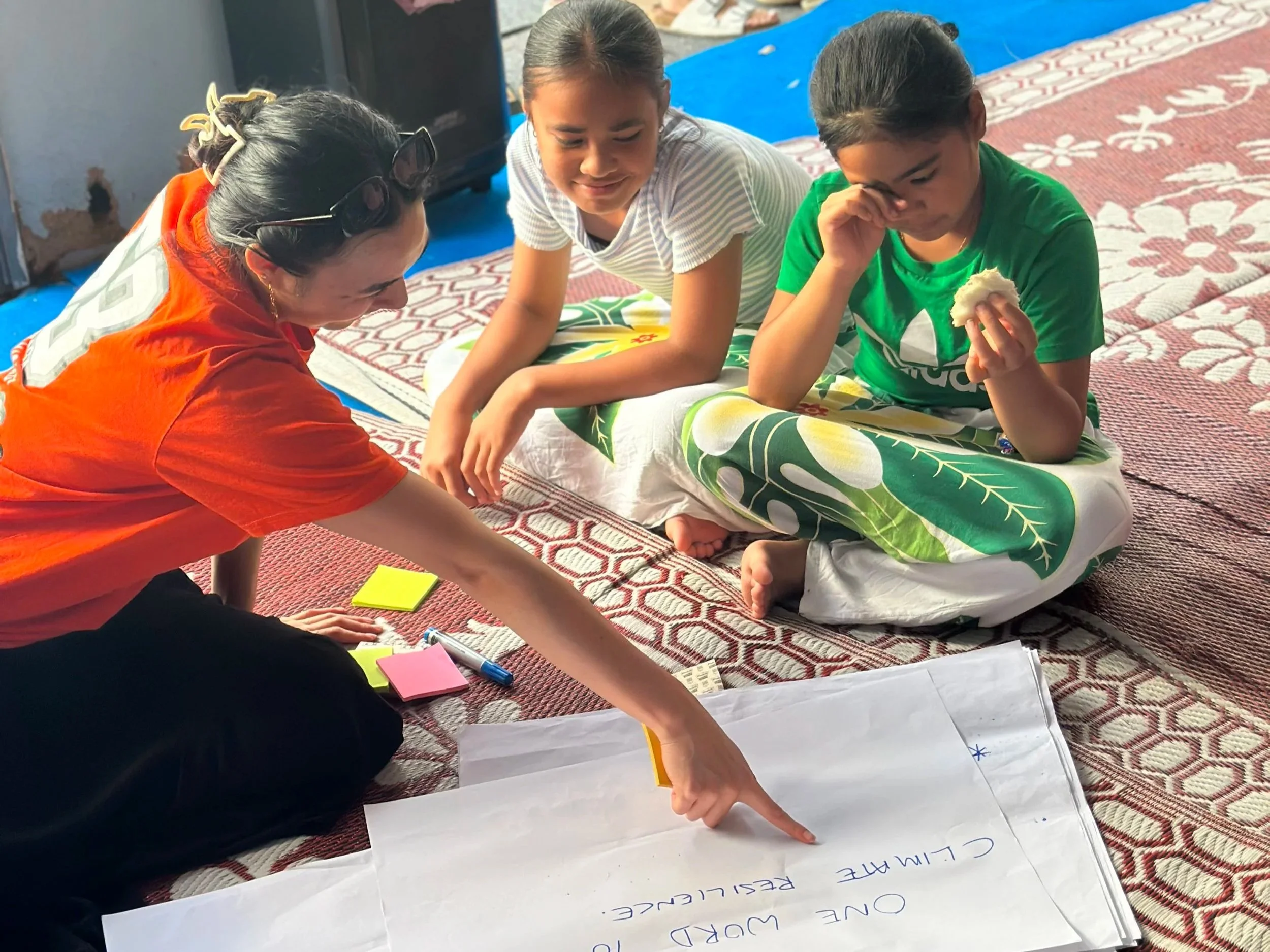
What began as a climate resilience project quickly became something much deeper - a space where Tuvalu youth and families could come together to reconnect, reflect, and imagine the future of their communities together.
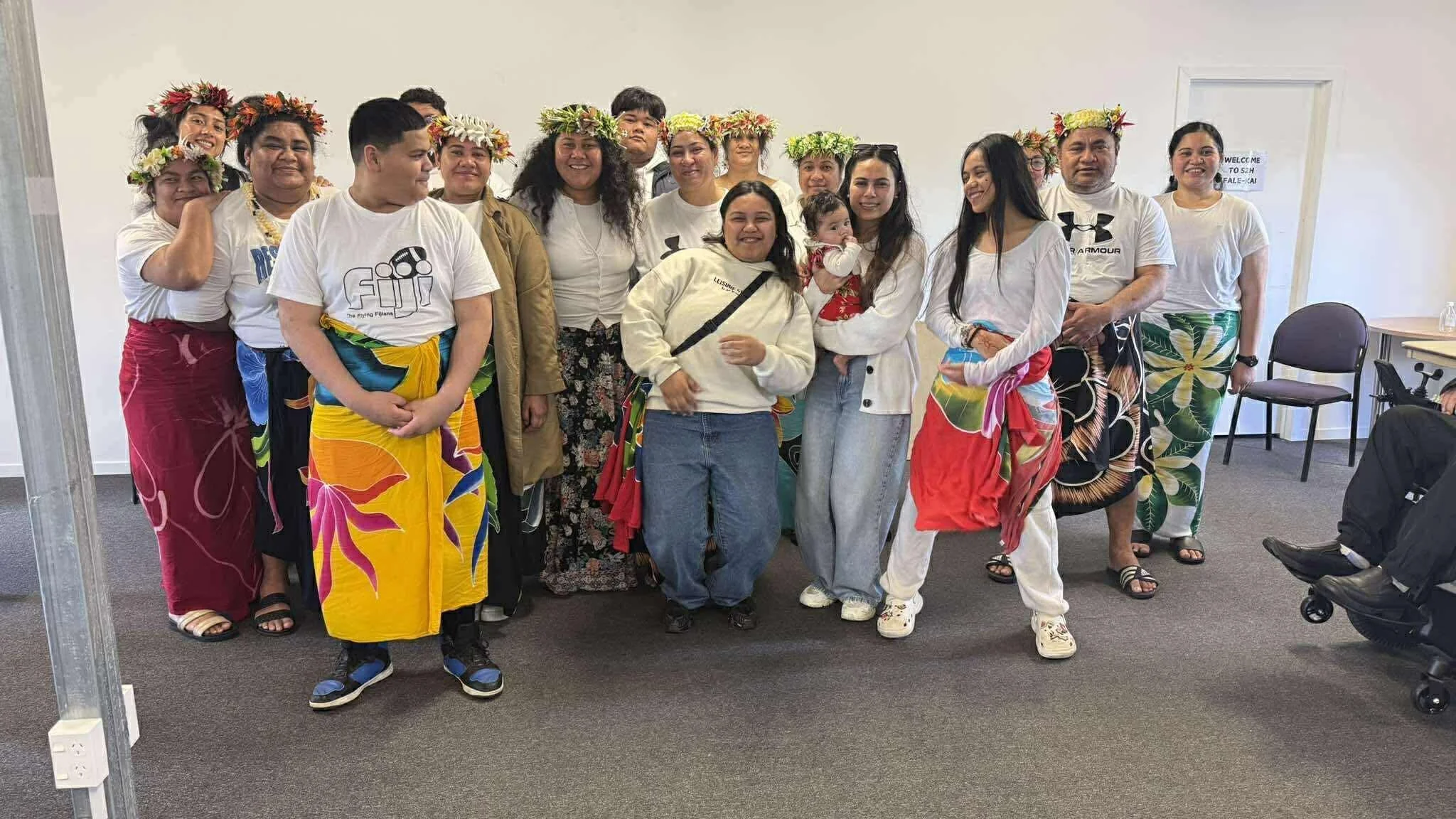
Led by Tuvalu Alliance for Sustainable & Inclusive Advancement Network Inc (TASIANI) Youth, the Sautalaga a te Kau Talavou o Tuvalu – Climate Resilience Project was designed to create culturally grounded, youth-led spaces where Tuvaluan young people in West Auckland could explore climate change, identity, and leadership. The intention was not only to explore climate resilience, but to strengthen cultural belonging, deepen intergenerational connection, and support youth to co-design climate responses grounded in Tuvaluan values and ways of being.
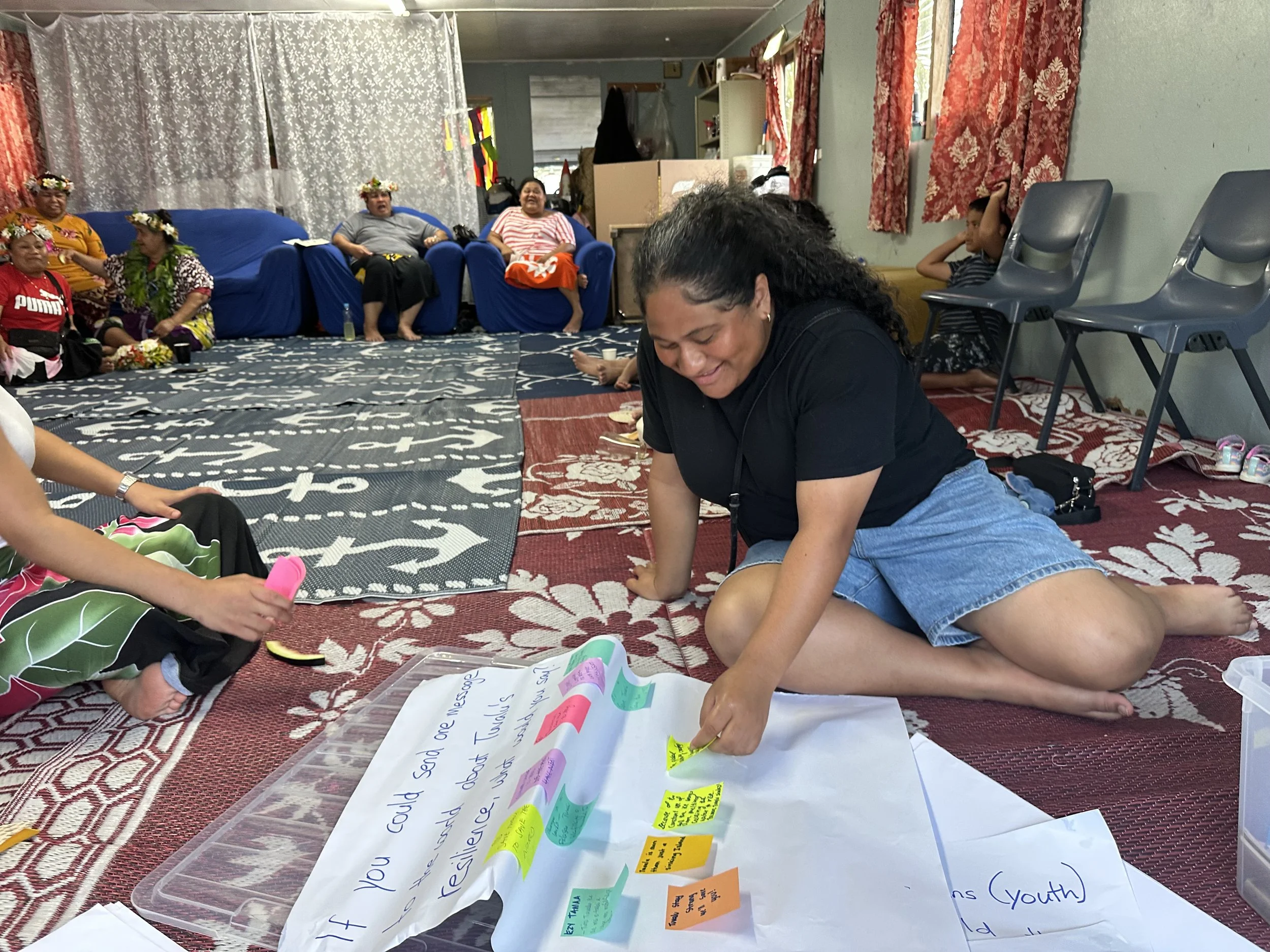
Initially, the project set out to develop a community climate resilience plan through a series of sautalaga (conversations). But as the first sautalaga unfolded, TASIANI realised the greatest value of the project was not rushing toward a finished document, but creating the space for meaningful conversations to happen first, and for a shared understanding of what climate resilience even means within a Tuvaluan context.
Many young Tuvaluans in Aotearoa have never been to Tuvalu, meaning their understanding of climate change is often experienced differently from older generations. For many youth, Tuvalu exists through stories shared at home, online conversations, cultural gatherings, church spaces, and images of rising sea levels seen across social media and news platforms. Climate change was often spoken about not just as an environmental issue, but as something deeply connected to identity, belonging, and the fear of losing connection to homeland before they have had the chance to truly experience it themselves.
One young person reflected, “It’s scary to think our homeland might disappear before I ever get to truly know it.”
At the same time, many youth also spoke about navigating the realities of growing up in Aotearoa - balancing cultural expectations, family responsibilities, and the pressures of daily life here. Conversations revealed that climate resilience for diaspora youth is not only about responding to environmental change, but also about strengthening language, identity, relationships, and connection to culture across generations.
Meanwhile, elders carried lived memories of environmental shifts in Tuvalu itself. Through sautalaga, they shared stories of the land, ocean, food systems, and traditional practices that have sustained Tuvalu communities for generations. Discussions around fishing, water, food security, and caring for one another grounded climate conversations within a Tuvaluan worldview rather than purely scientific language.
These intergenerational exchanges became one of the most meaningful parts of the project. Youth gained deeper insight into the realities their elders had witnessed firsthand, while elders were also able to better understand the experiences of young people growing up disconnected from their homeland but still deeply connected emotionally and culturally. Through these conversations, climate resilience became less about fear and more about strengthening the cultural knowledge, relationships, and collective care that continue to hold the Tuvalu community together across oceans and generations.
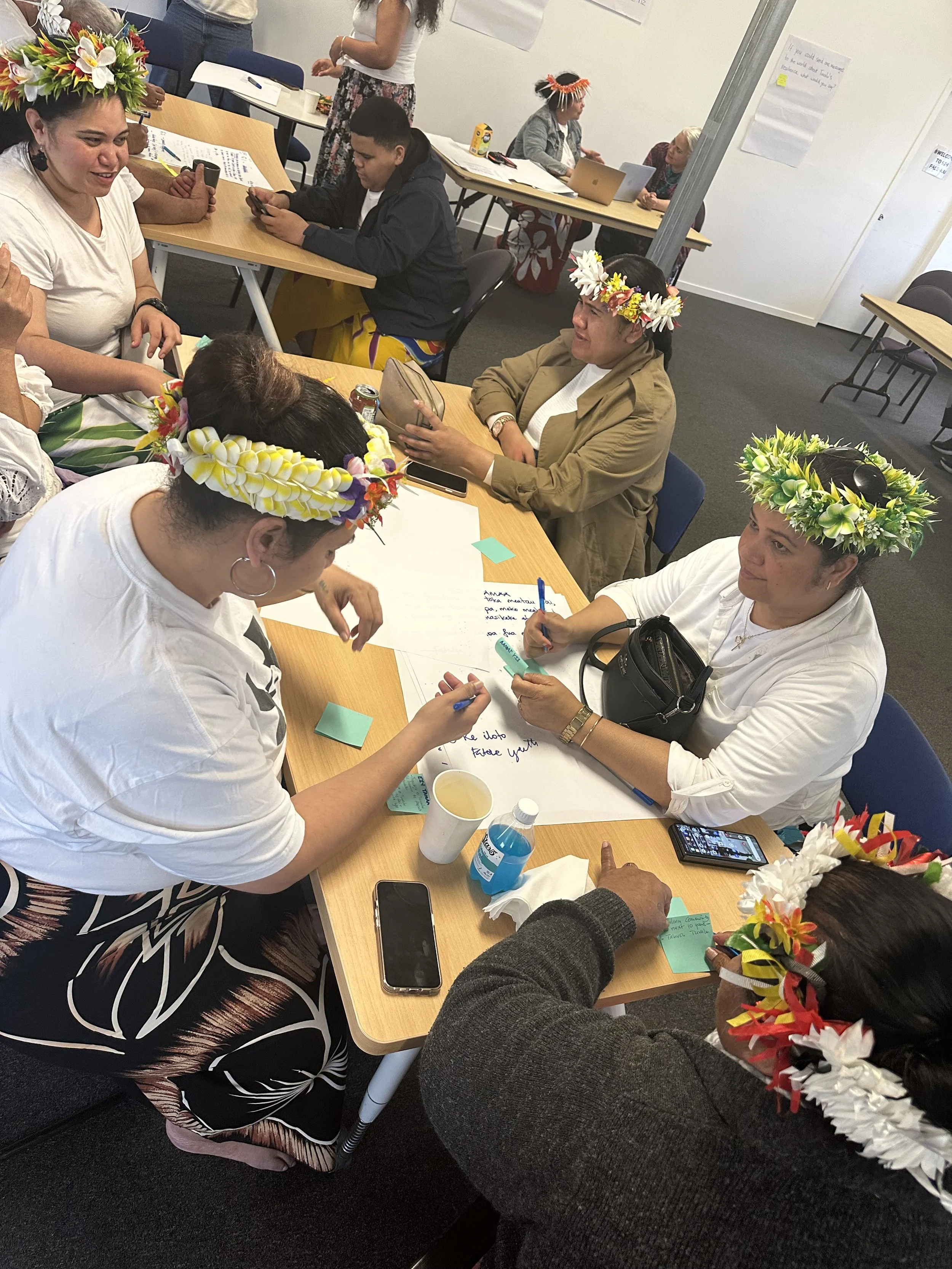
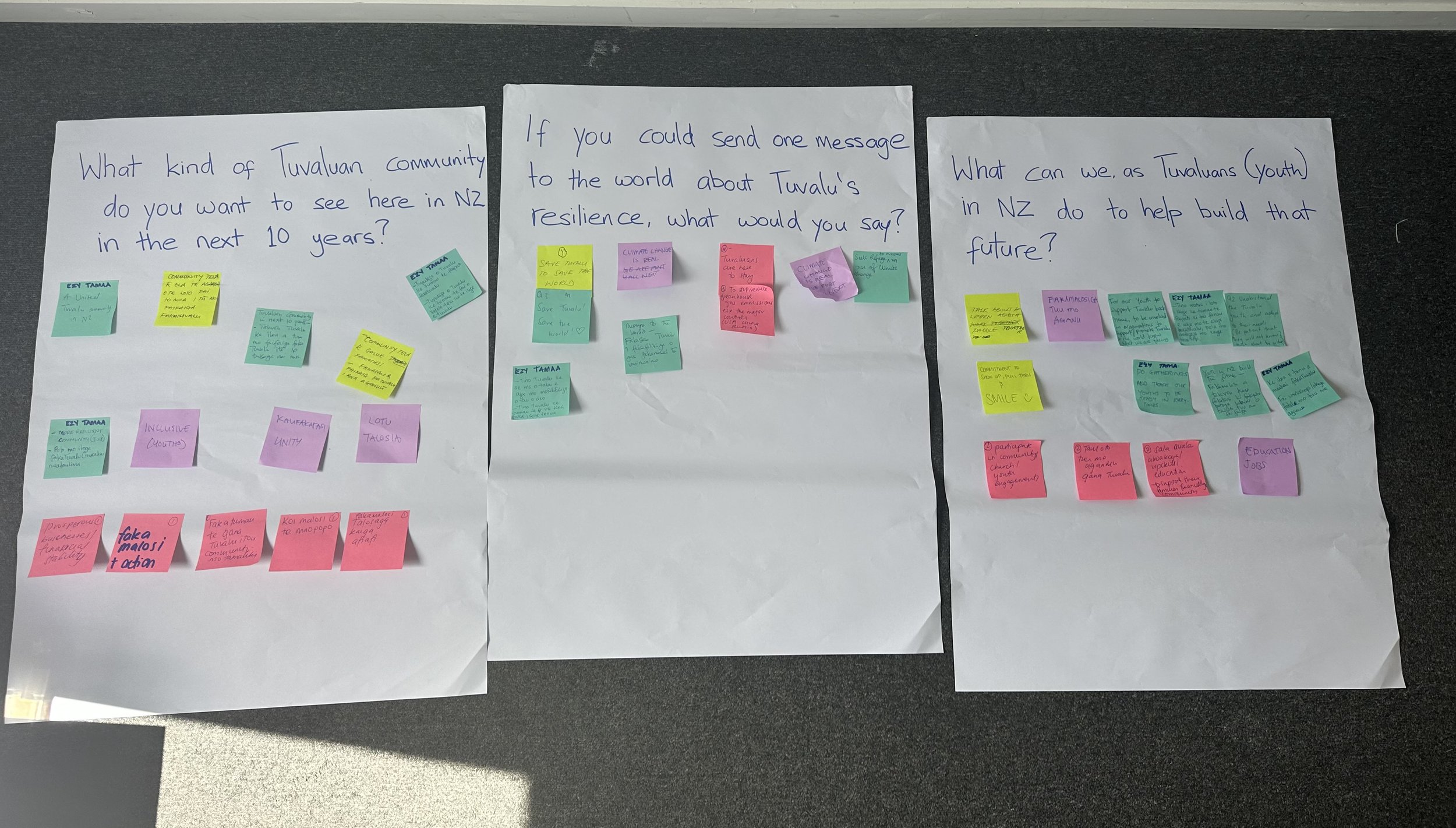
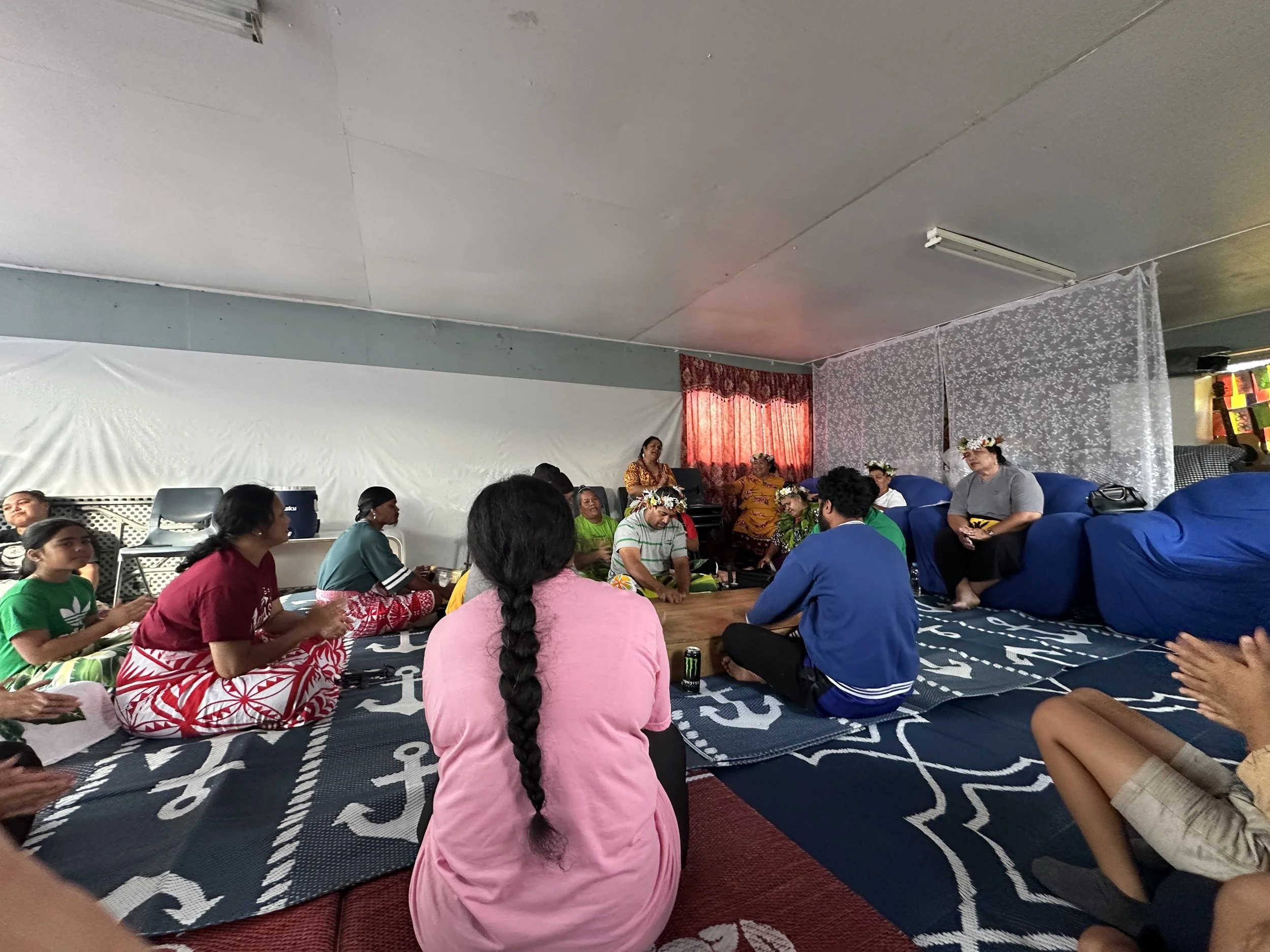
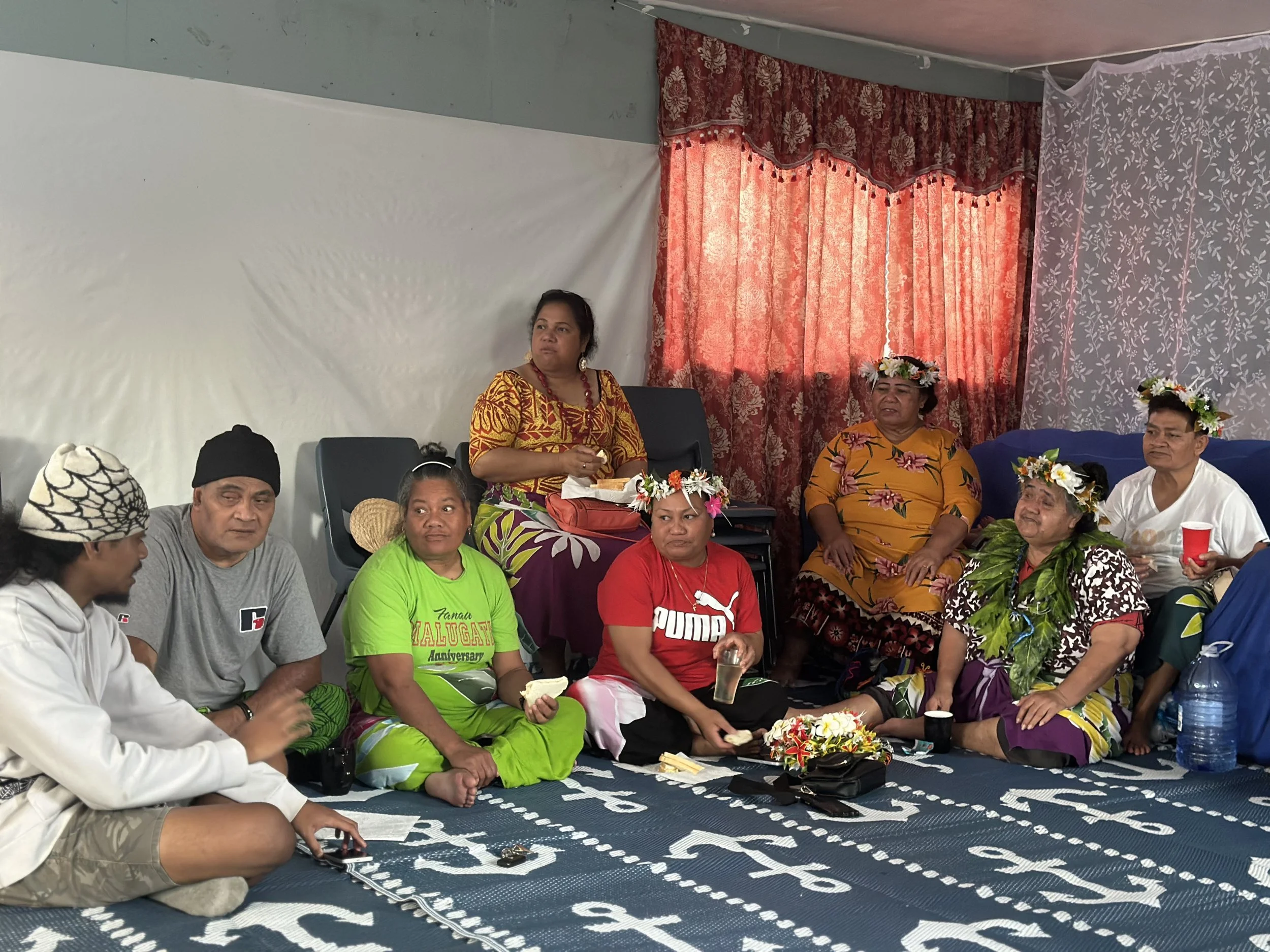
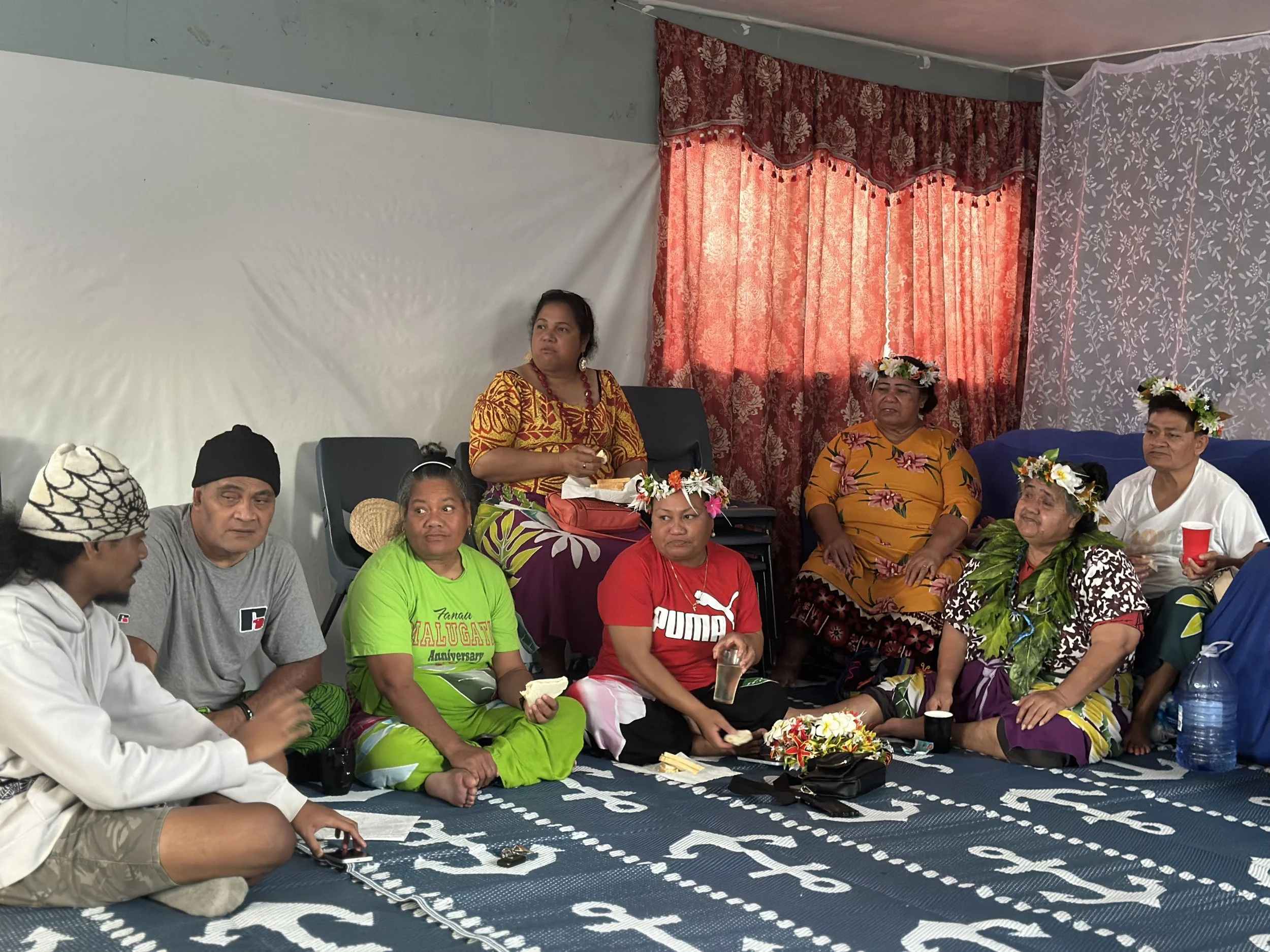
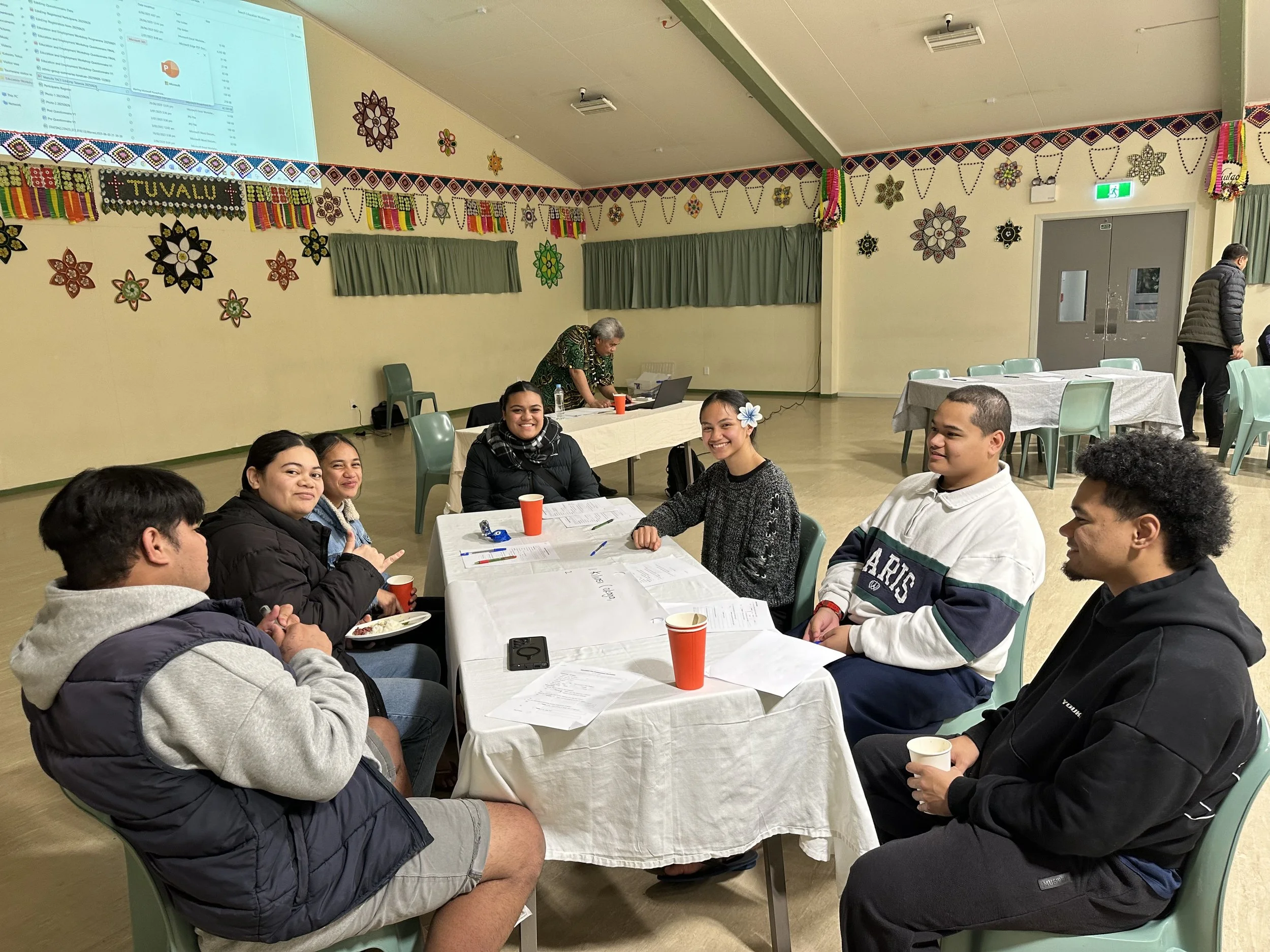
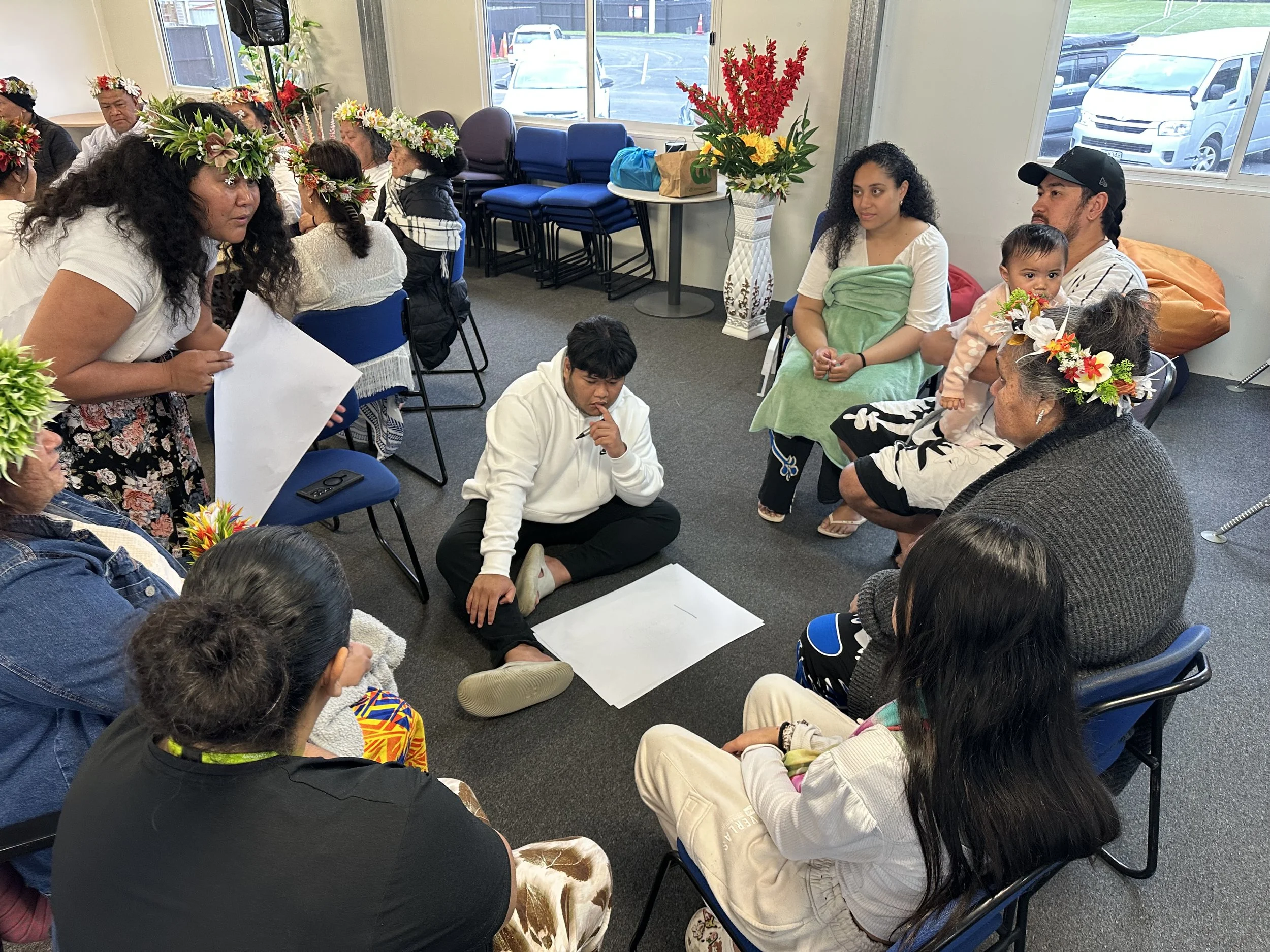
As the sautalaga continued, the sessions naturally evolved to reflect the needs of the people in the room. Some sessions were youth-only spaces where young people felt more comfortable speaking openly about identity, climate anxiety, cultural disconnect, and hopes for the future. Other sessions brought generations together, creating opportunities for elders to share stories of Tuvalu, traditional practices, food systems, and the values that have sustained communities for generations.
TASI Youth also began shaping the sessions in ways that felt more relational and culturally responsive. Instead of sitting in one large formal group the entire time, participants were often separated into smaller age-based sautalaga first. This allowed youth to build confidence in sharing openly amongst their peers before returning into wider collective discussions with elders and families.
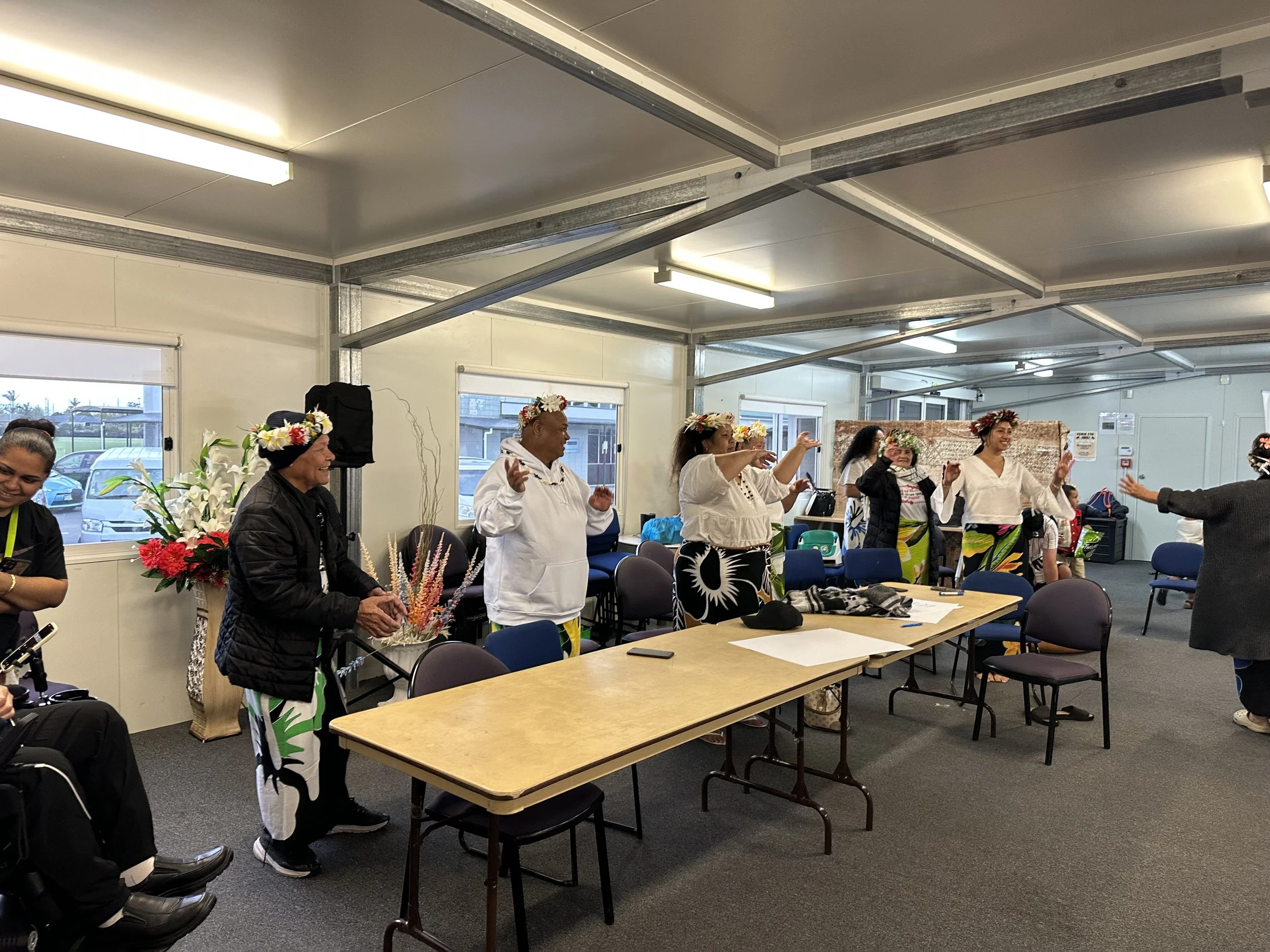
The sessions themselves moved fluidly between storytelling, discussion, practical activities, and cultural practices. Dance, humour, food, storytelling, and relational connection became just as important as formal climate conversations. Through this approach, climate resilience was explored not only as environmental preparedness, but as something deeply tied to identity, language, culture, collective wellbeing, and connection to homeland.
One session that particularly resonated with participants was the Laka Emergency Grab Bag activity, where youth explored practical emergency preparedness through a Tuvaluan lens. The activity made climate resilience feel tangible and actionable for many participants, sparking conversations around how families can prepare together while still grounding preparedness in Tuvaluan values of alofa, collective care, and responsibility.
As one participant shared, “The Grab Bag session made climate change feel real - we can do something.”
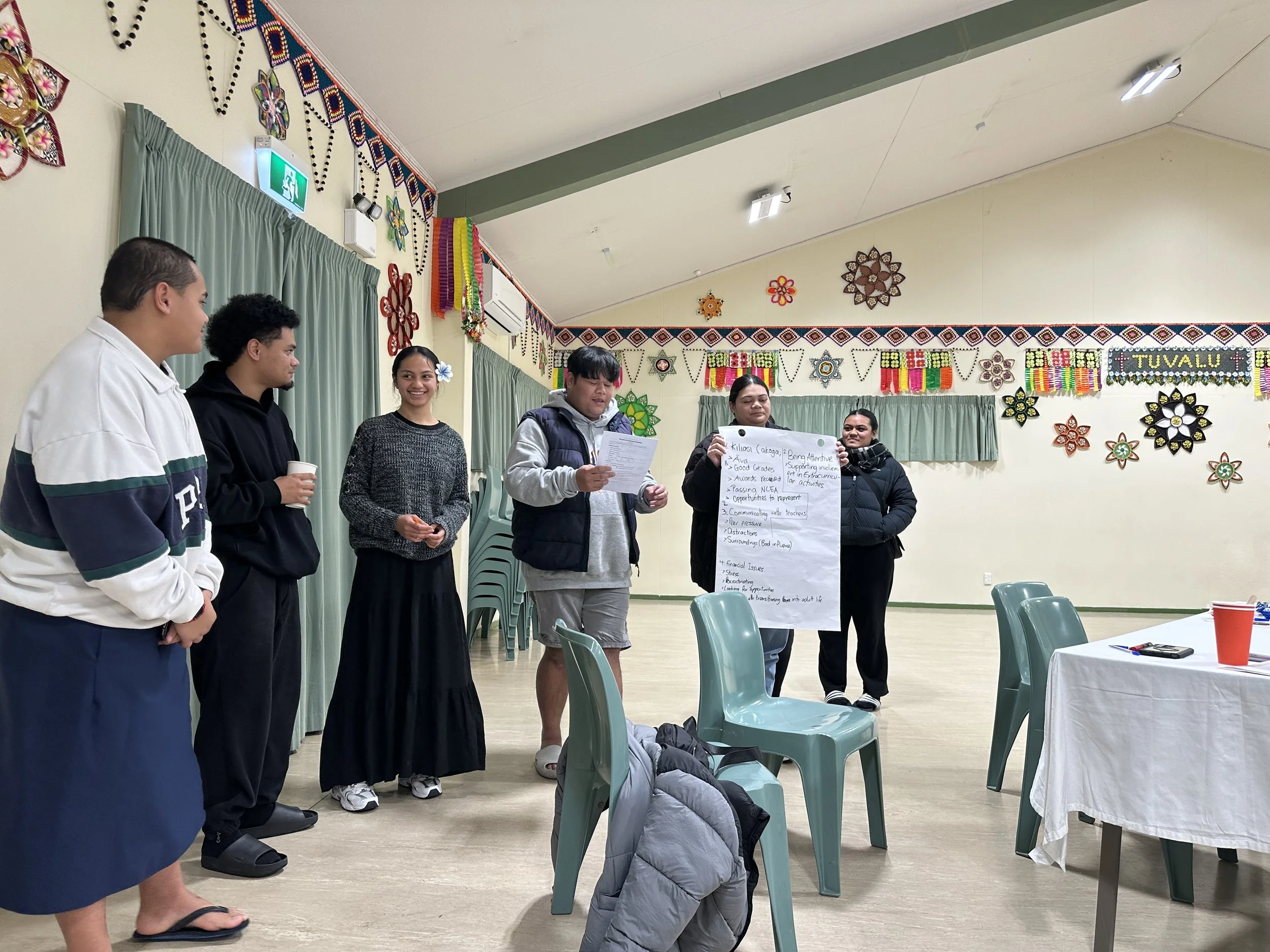
The session shifted climate conversations from something distant and overwhelming into something practical, collective, and rooted in community care. Youth began discussing what preparedness could look like within their own homes and communities - not just individually, but as families and as a wider village connected through responsibility to one another.
As trust and confidence grew, so did youth leadership. Young people began stepping more confidently into facilitation roles, helping guide discussions, support peers, and shape the direction of conversations. Elders intentionally encouraged youth voice throughout the process, creating a strong sense of shared learning across generations.
Throughout the project, a strong desire for continued learning and ongoing talanoa emerged from the community. Participants expressed interest in more Tuvaluan-language climate resilience resources so elders could engage more deeply and youth could strengthen both their cultural and climate knowledge at the same time.
While the project began with the idea of creating a climate action plan, it ultimately laid a strong foundation of relationships, shared understanding, youth leadership, and culturally grounded conversations that can guide future climate resilience work in ways that genuinely reflect the realities and aspirations of Tuvalu communities in Aotearoa.
The Sautalaga a te Kau Talavou o Tuvalu – Climate Resilience Project shows the power of creating spaces where communities can move at the pace of trust, culture, and connection. TASIANI Youth are nurturing a generation of young Tuvalu leaders carrying forward conversations about climate, identity, language, and the future of their people with pride and purpose.
This project was delivered in partnership with Tapasā – Navigating Futures and funded by Community Waitākere. Tapasā’s role is to walk alongside communities as support and backbone - helping create the conditions for communities to lead through their own values, knowledge, and aspirations. The Sautalaga Climate Resilience Project reflects the power of community-led innovation, where solutions are shaped by the lived experiences and leadership already present within the community itself.