
Building Foundation: A Cultural Induction with Te Kawerau ā Maki
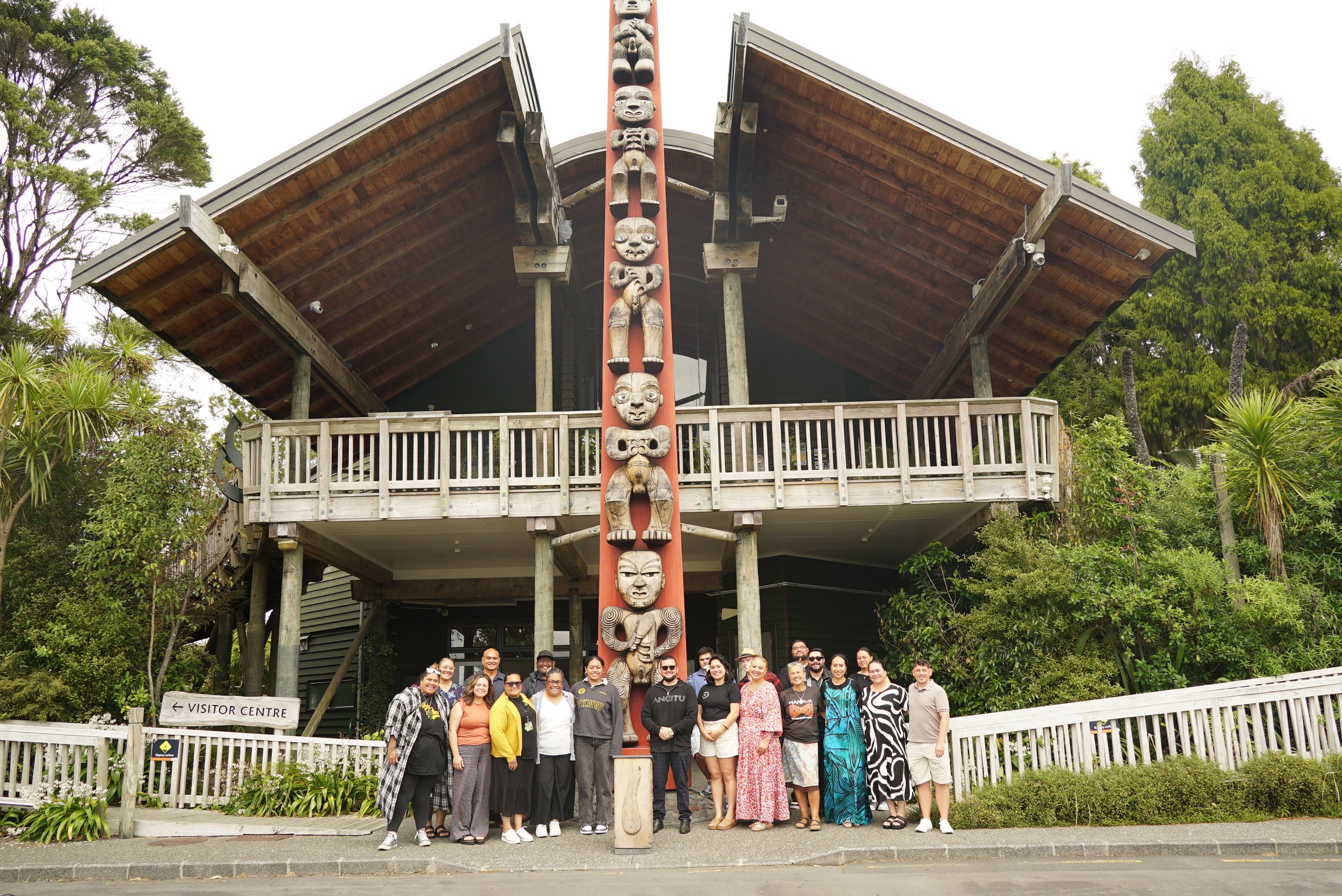
The Le Moana West Collective
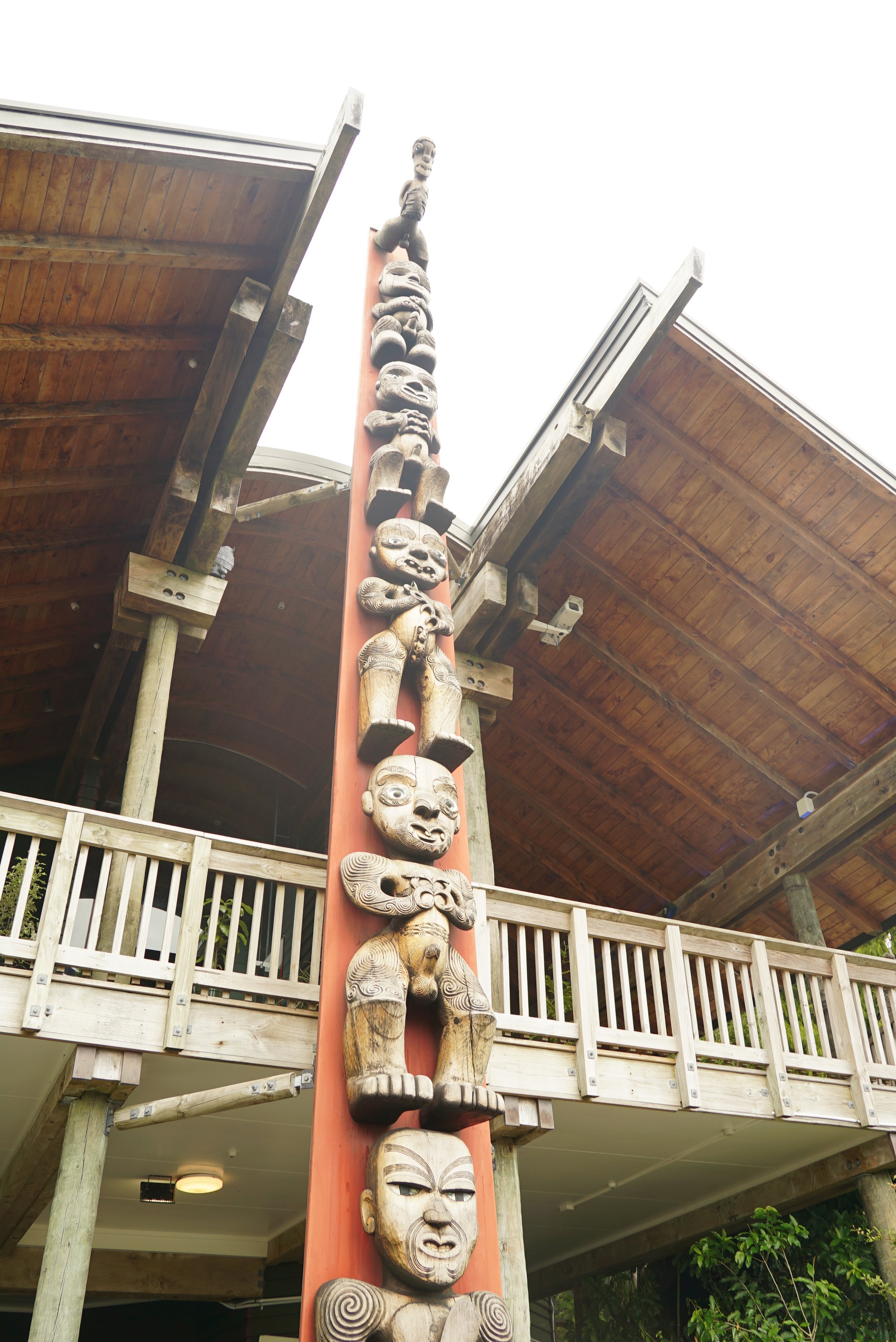
Le Moana West Collective gathered at the Arataki Visitor Centre for a cultural induction with Te Kawerau ā Maki, mana whenua of West Auckland. Set within Te Wao Nui a Tiriwa - the original name for the Waitākere Ranges - the induction provided an important foundation for how we understand our work in this region and how we build relationships moving forward.
Te Kawerau ā Maki trace their whakapapa back seventeen generations to their tūpuna who have lived, protected, and held responsibility for these lands and waterways. That depth of lineage framed the entire kōrero. This was not simply a history lesson, but an opportunity to understand how identity, guardianship, and place are inseparable.
Our collective arrived genuinely excited to learn and to build relationship. Many of our organisations work closely with Pacific communities across West Auckland, and we recognise that meaningful systems change must be grounded in right relationship with mana whenua. Beyond learning, there was a desire to break bread, to sit together, and to begin forming a connection that can guide how we implement our work alongside iwi, particularly in the ways we support Pacific families to feel anchored in the land they now call home and support mana whenua.
Throughout the induction, we were reminded that place names carry knowledge.
Te Kōpua, the original name for Henderson, means “the deep pool.” It signals the nature of the land - a place where water gathers and settles. Hui Kōrero in Avondale refers to where streams converge, a meeting place shaped by geography and dialogue. Onewherowhero in Kelston speaks to the red clay soil of the area. Okaurirahi, Glen Eden, refers to the place of the giant kauri — a reminder of what once stood there and the histories that remain, even when the physical markers have changed.
These names are not symbolic; they are descriptive and instructive. They reflect how the land communicates its character and its needs. Understanding this reshapes how we think about development, environmental care, and community wellbeing.
Kaitiakitanga was a central theme of the induction. For Te Kawerau ā Maki, guardianship is an active, intergenerational responsibility. It extends to environmental protection, cultural preservation, and collective safety. The concept of rāhui was also discussed, not as exclusion, but as a restorative and protective practice. Rāhui can hold layers of tapu, conservation, and political assertion. It creates space for recovery and sustainability, ensuring that what is sacred or endangered can be strengthened rather than depleted.
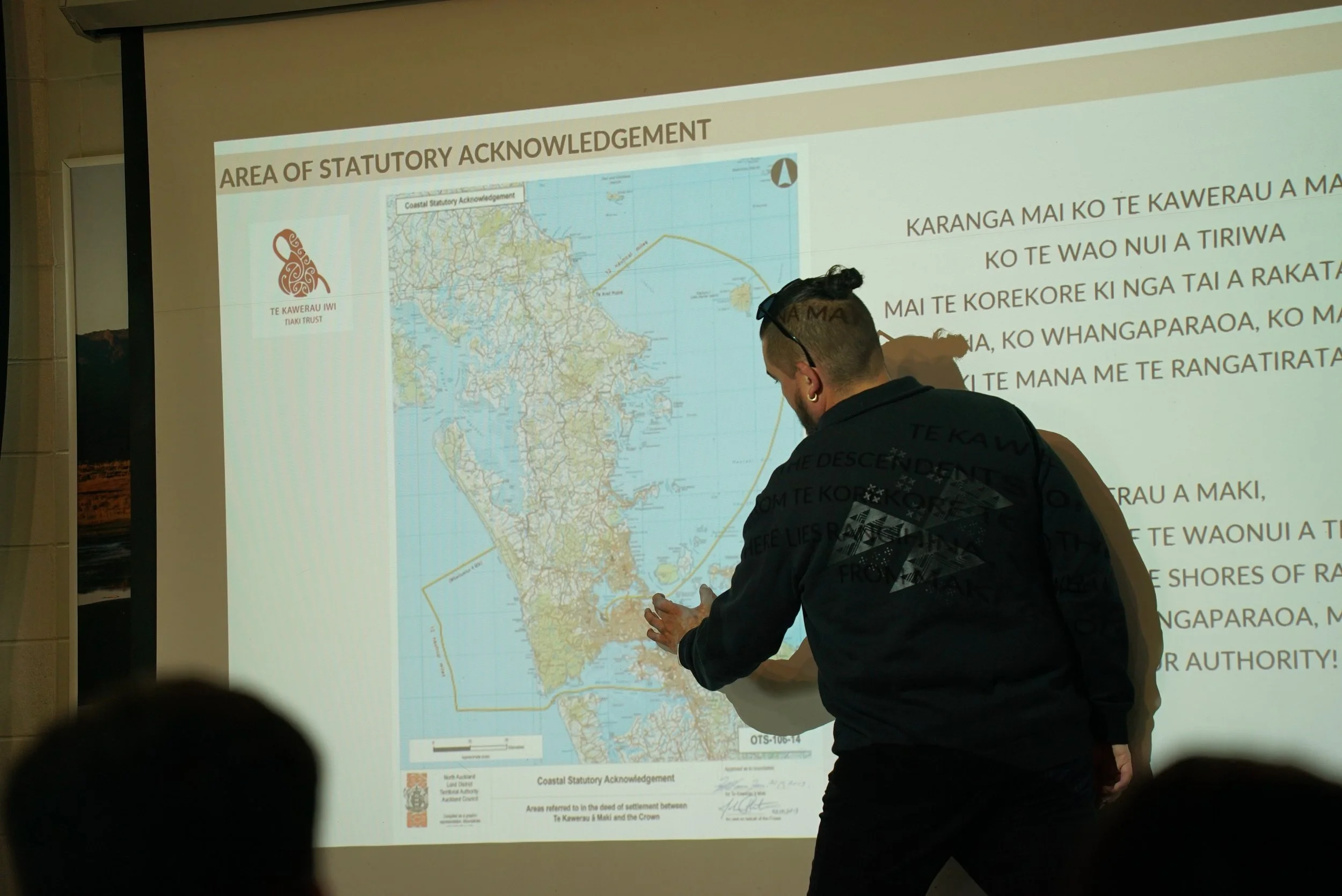
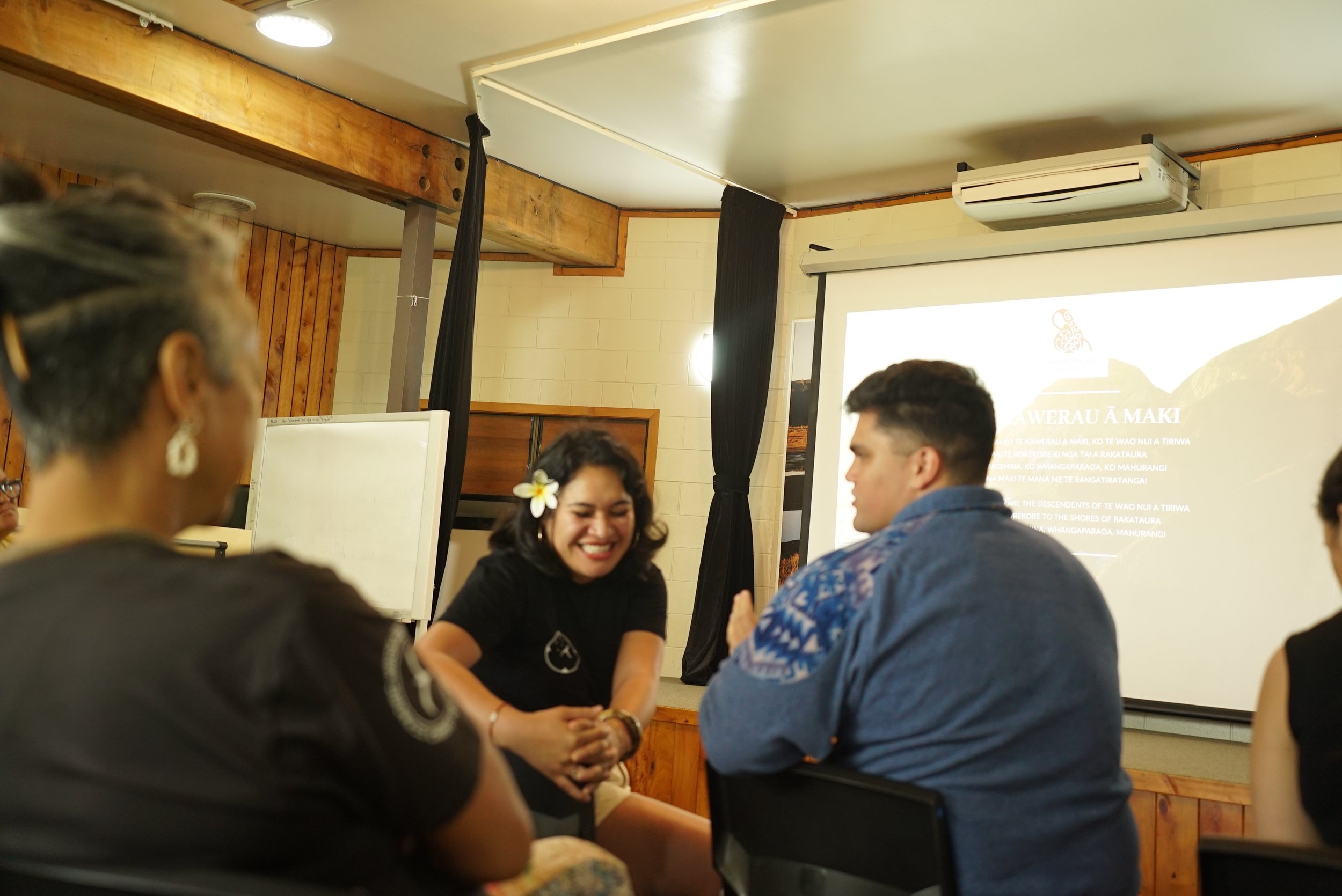
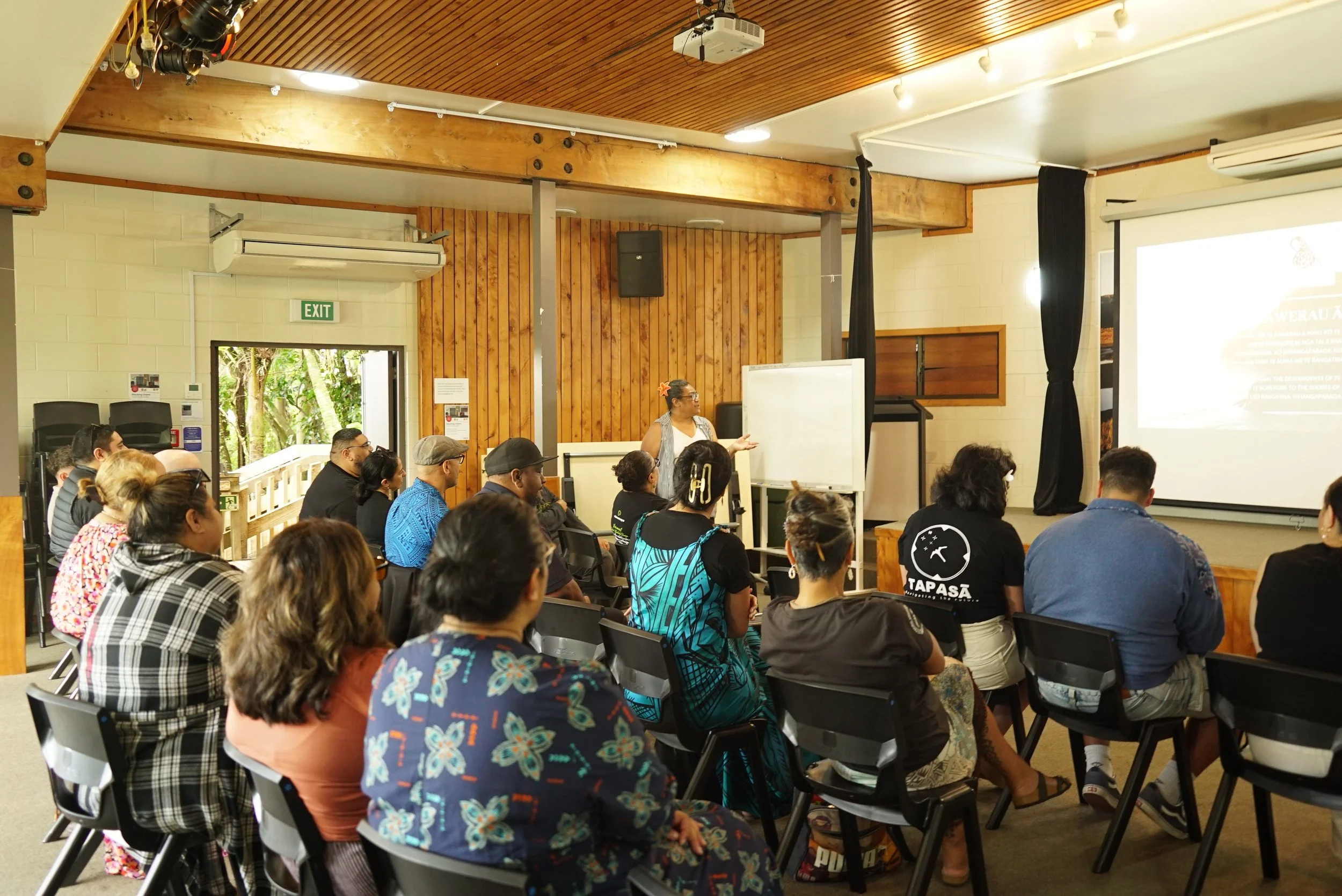
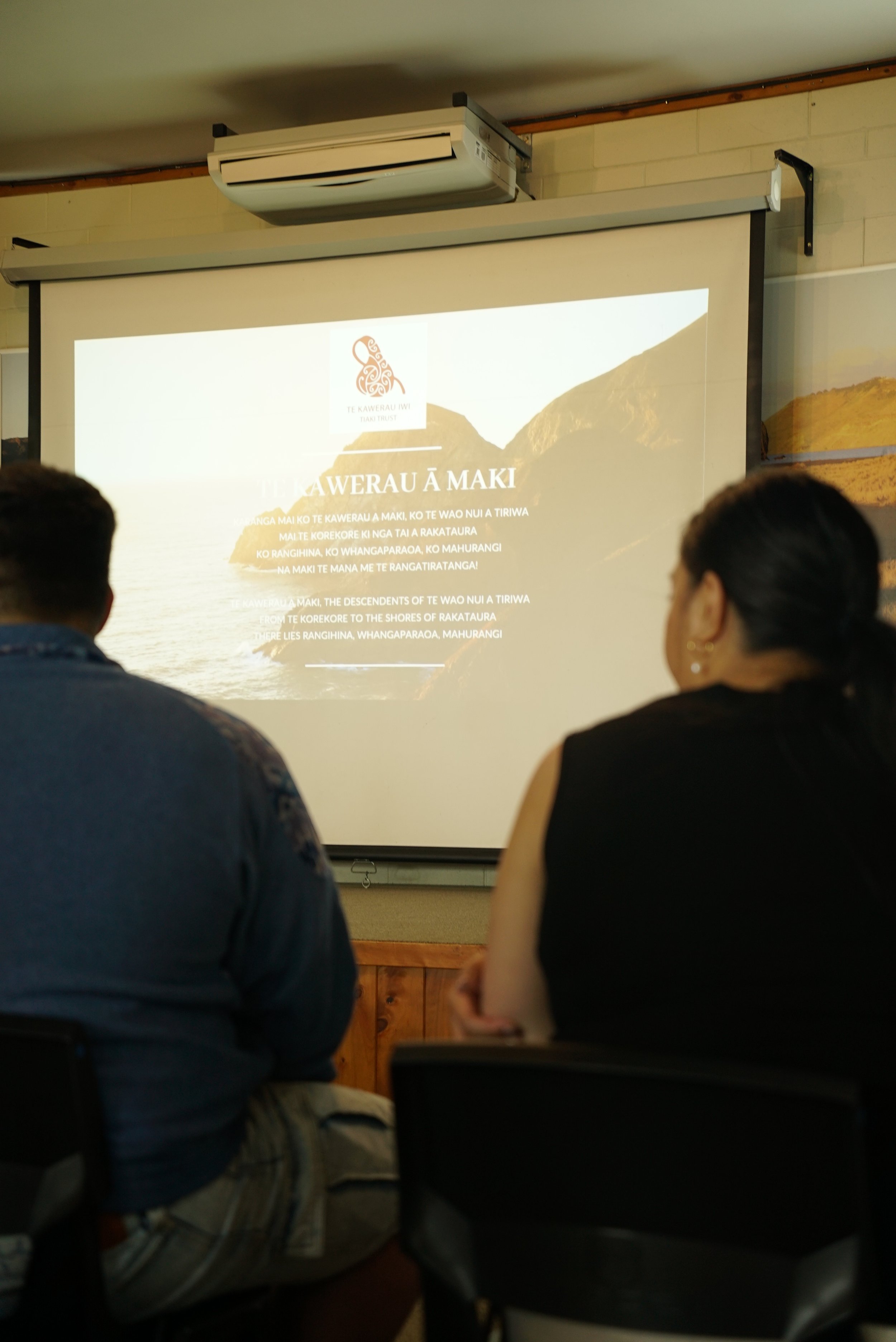
The session also touched on the vision for the marae of Te Kawerau ā Maki and the importance of establishing a shared foundation before any collaboration. The purpose of the meeting was to clarify intention - to understand how we work together respectfully, how we align our aspirations, and how our Pacific-led organisations can operate in ways that acknowledge and uphold mana whenua leadership.
For Le Moana West Collective, this induction marked the beginning of a more intentional relationship. It reinforced that our work across West Auckland must be grounded not only in community need, but in the histories and responsibilities embedded in the whenua itself. Building strong Pacific communities and honouring mana whenua are not separate efforts; they are interconnected.
This gathering was a step toward ensuring that future collaborations are guided by shared understanding, mutual respect, and a clear sense of how we move forward together.
