
When the Ano Moves, Tuvalu Moves
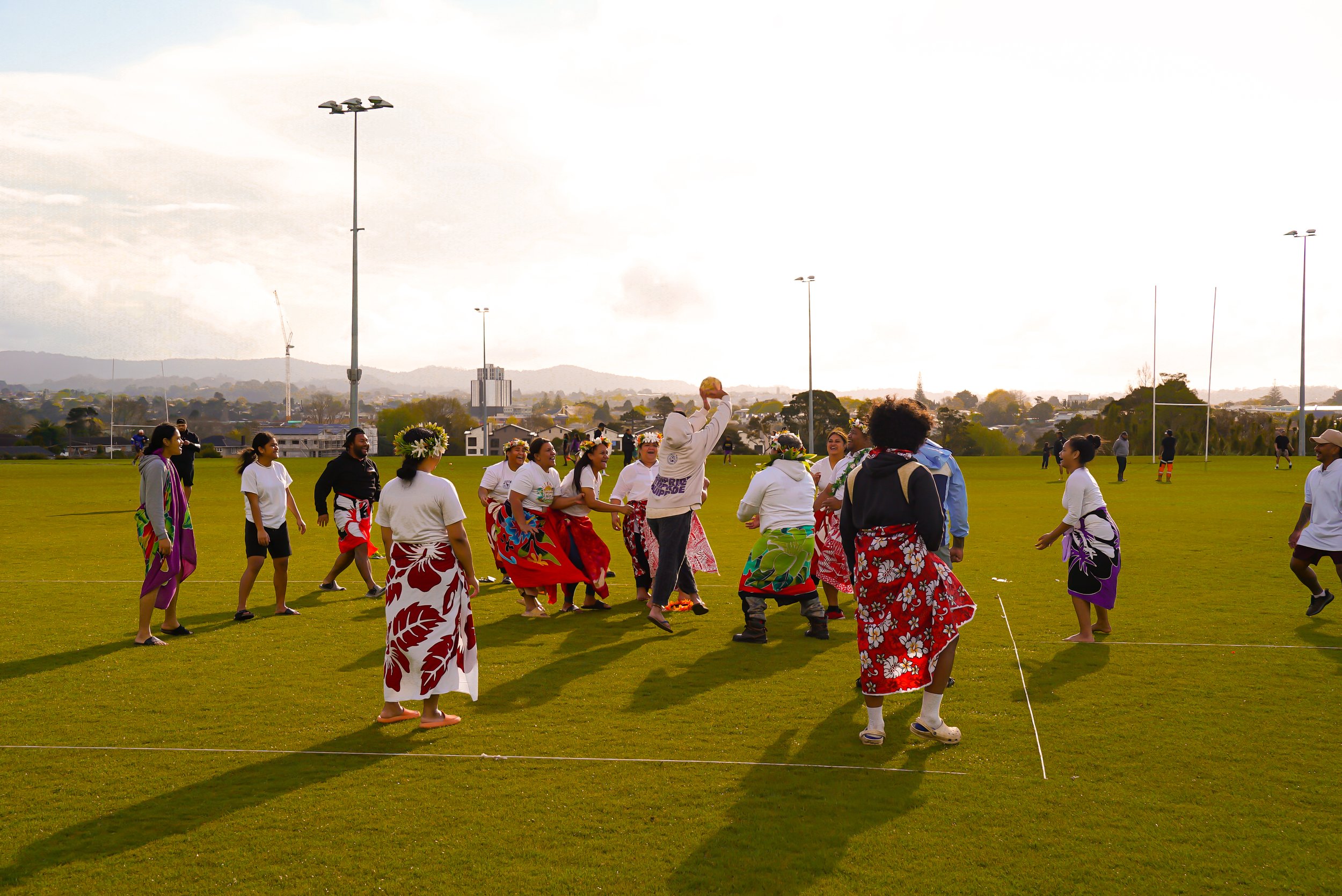
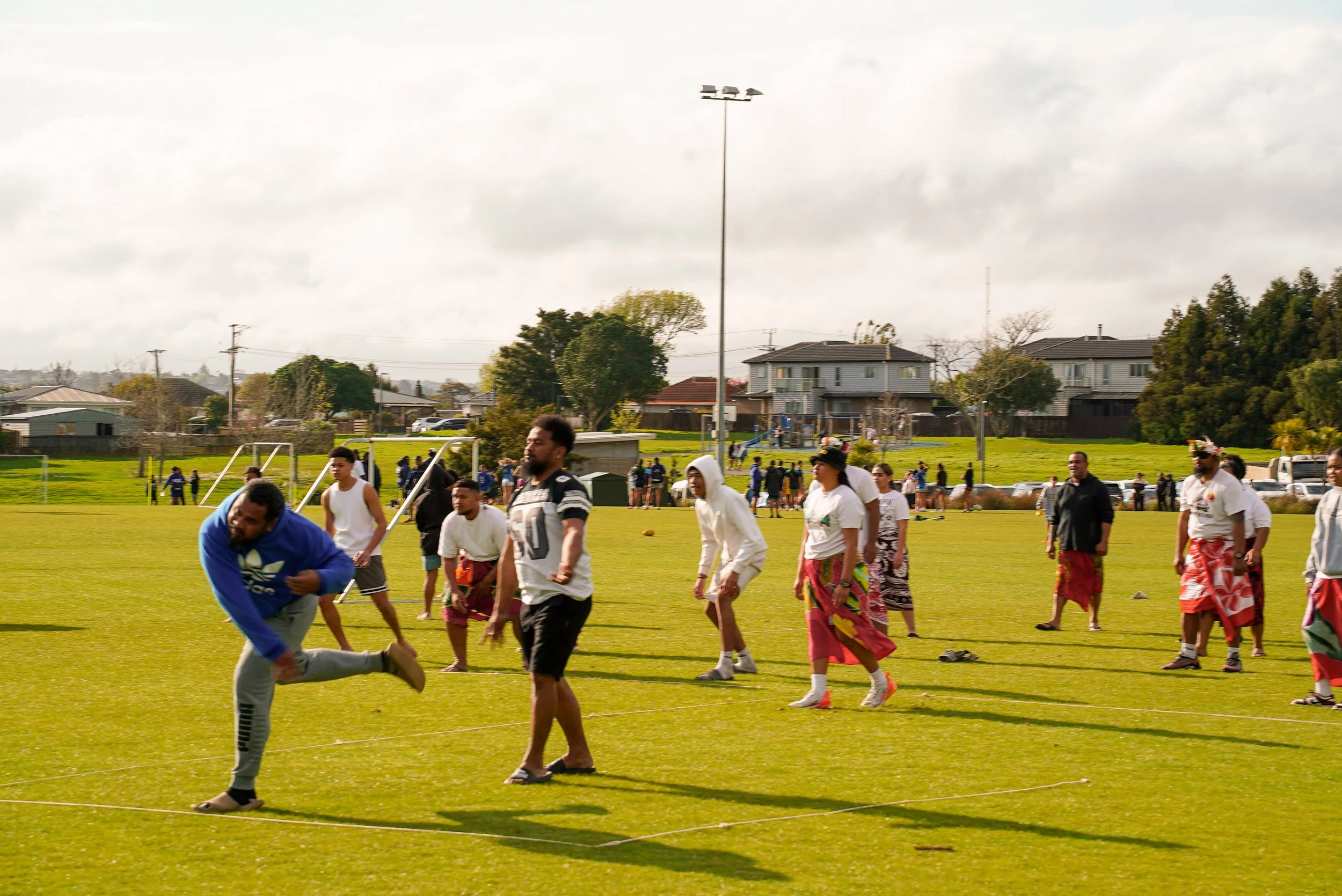
On Tuvalu Independence Day, the laughter came first. Then the cheering. Then the rhythmic thud of a small but heavy ball - the ano - flying across a field in Te Atatu. What looked like spirited competition was something deeper: a community remembering who they are through movement.
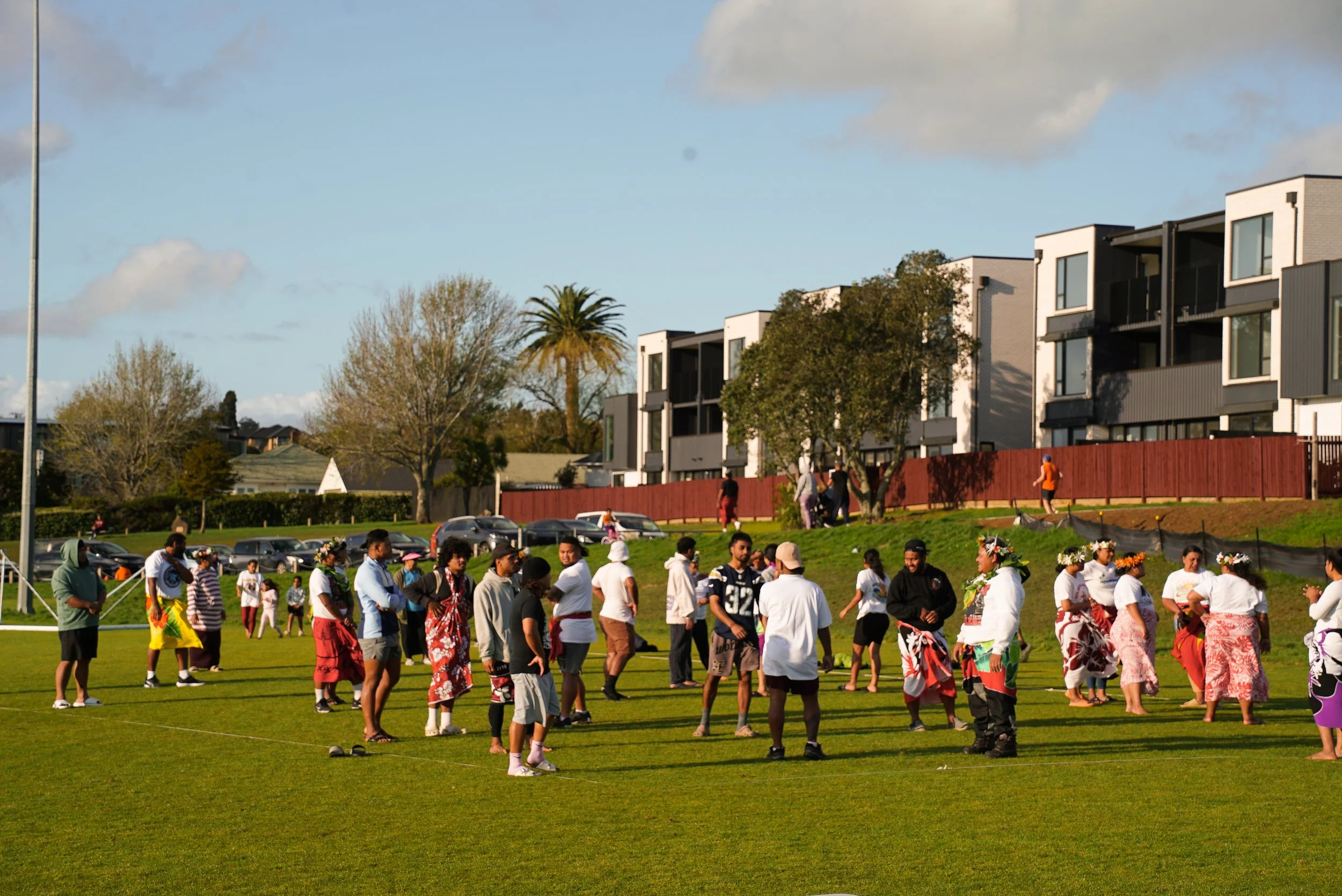
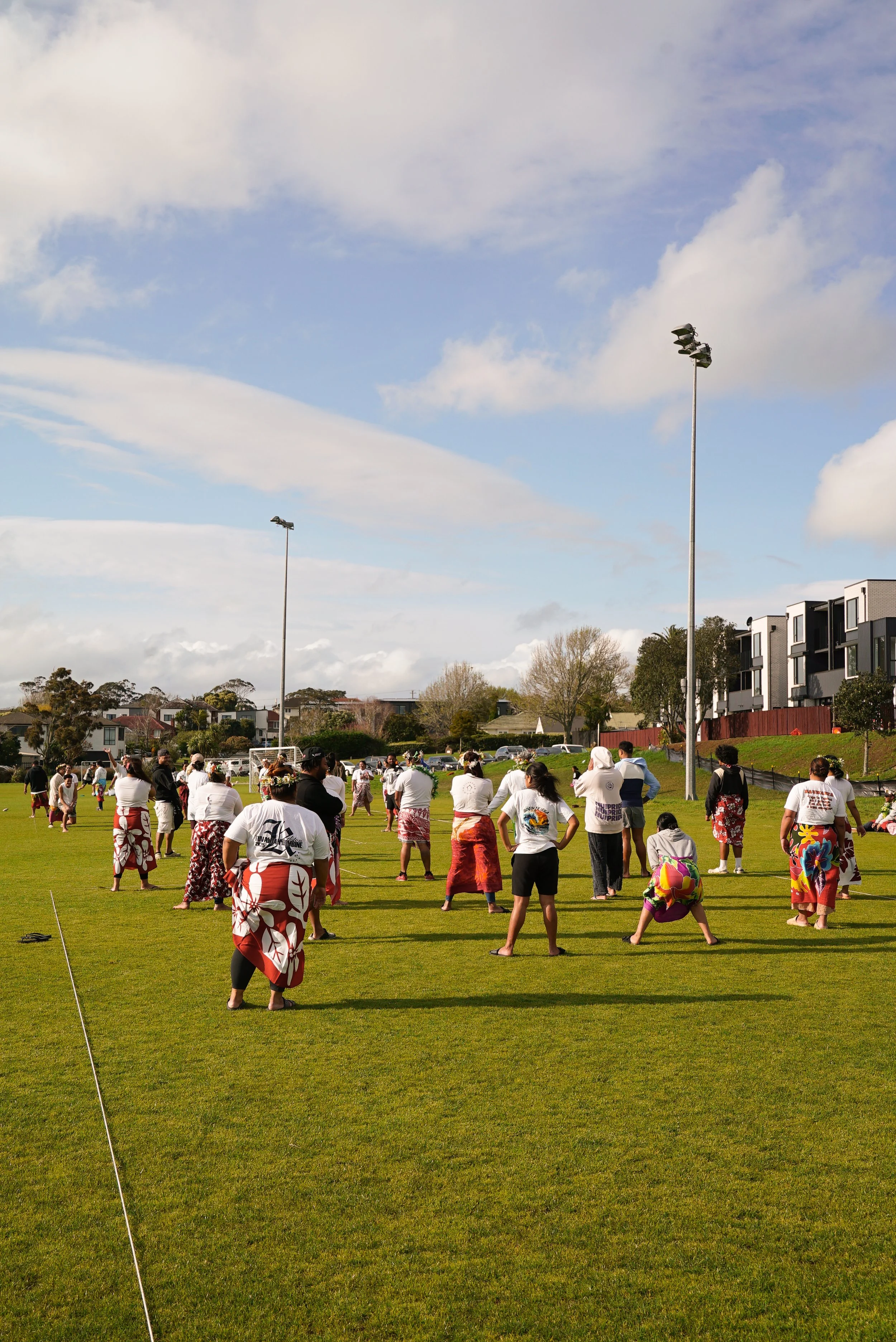
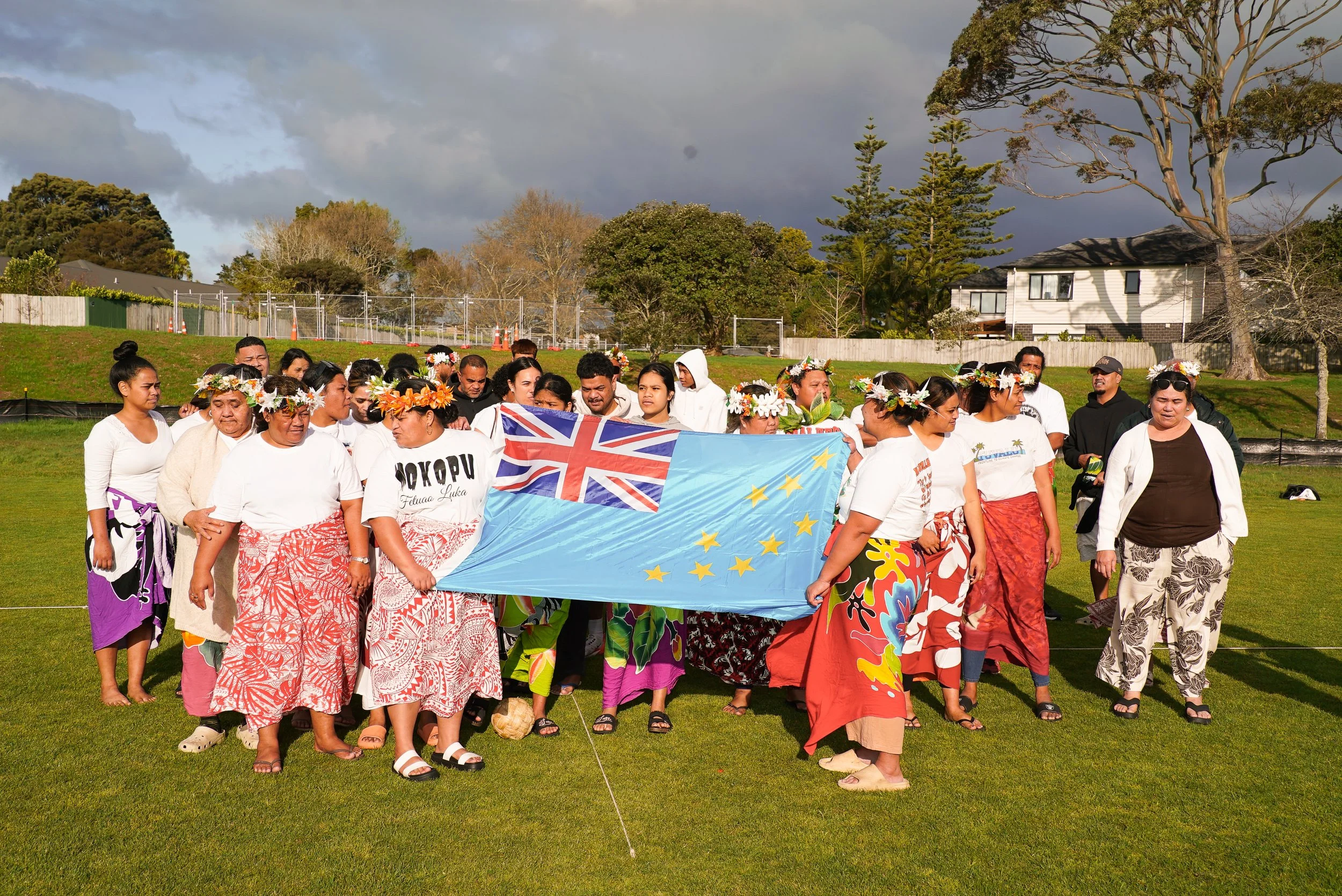
Tuvalu Association of Social Inclusion (TASI), a Tuvalu youth-led organisation, hosted a traditional Sports Day to support physical wellbeing - but not through rugby boots, gym gear, or organised drills. Instead, they turned to Te Ano, Tuvalu’s beloved national game, where movement is communal, instinctive, strategic, and joy-filled. The day brought together over 40 Tuvaluan people from the youth to the elderly - transforming Independence Day from a ceremony into an intergenerational celebration of identity.
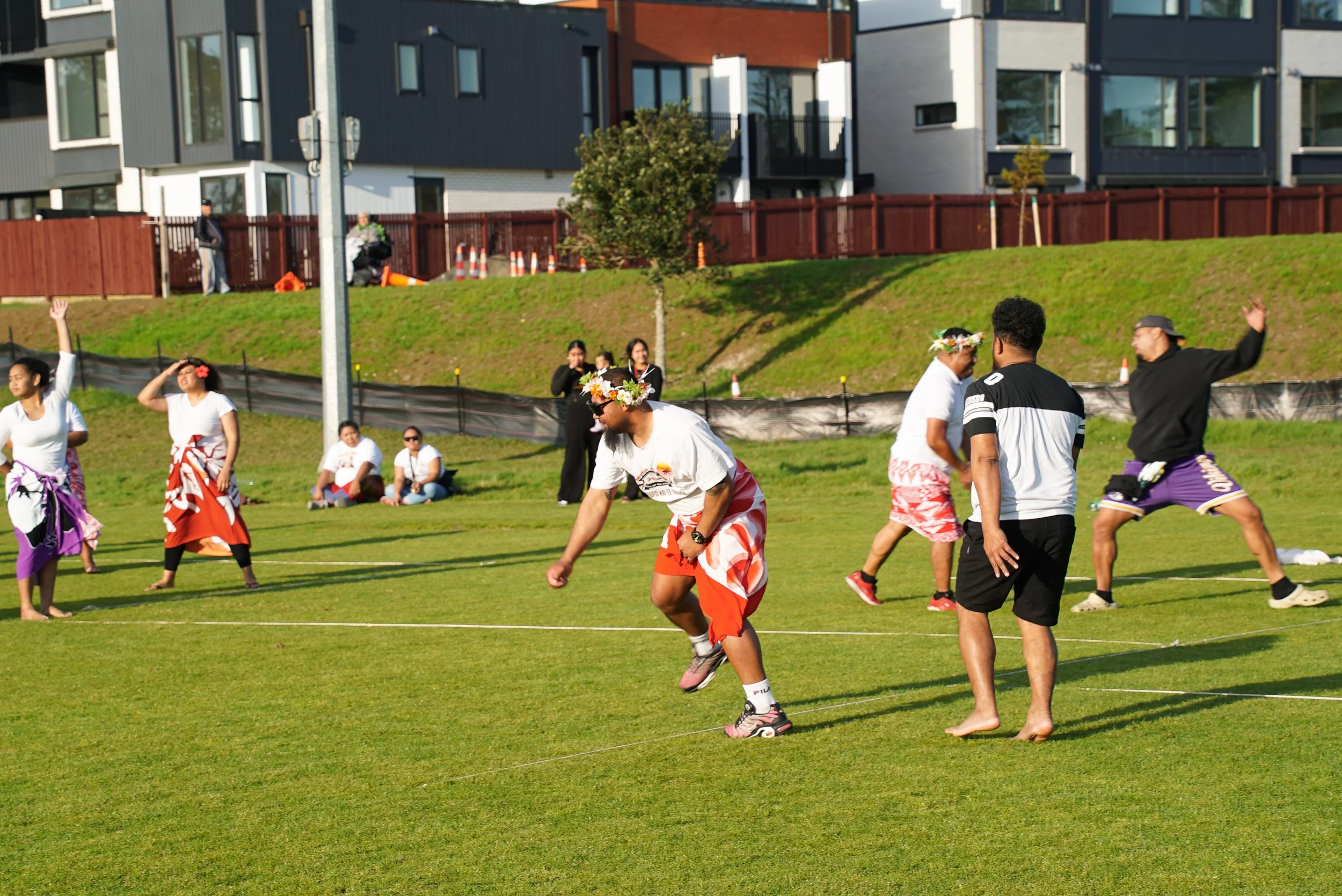
More than 40 people took the field, with ages ranging from tamariki to respected elders. Teams lined up opposite one another, ready for battle. On the elder’s call, two ano balls - dense, fast, and unforgiving - were launched into play. Hands stung, feet shuffled, voices rose. Everyone was alert, laughing, moving, reacting. No one sat on the sidelines for long.
“The number of players is unlimited - anyone, any age, can jump in,” one participant shared. “It’s a great way for our young Tuvaluans to get to know everyone here and the culture at the same time. I love how this keeps us connected to what our people do back home.”
That connectivity is what makes Te Ano more than sport. It is cultural memory in motion — requiring patience, awareness, courage, instinct, relational intelligence, and trust. The winning team celebrates by singing and dancing fatele, while the other watches in good spirit. Even in competition, the purpose is togetherness.
“Ano is a game we usually play during big celebrations and today we are celebrating Tuvalu’s independence,” another young person said. “It’s fun, but it’s competitive. You have to be alert and ready so you don’t get hurt. It’s a really good way to get our community moving and connected.”
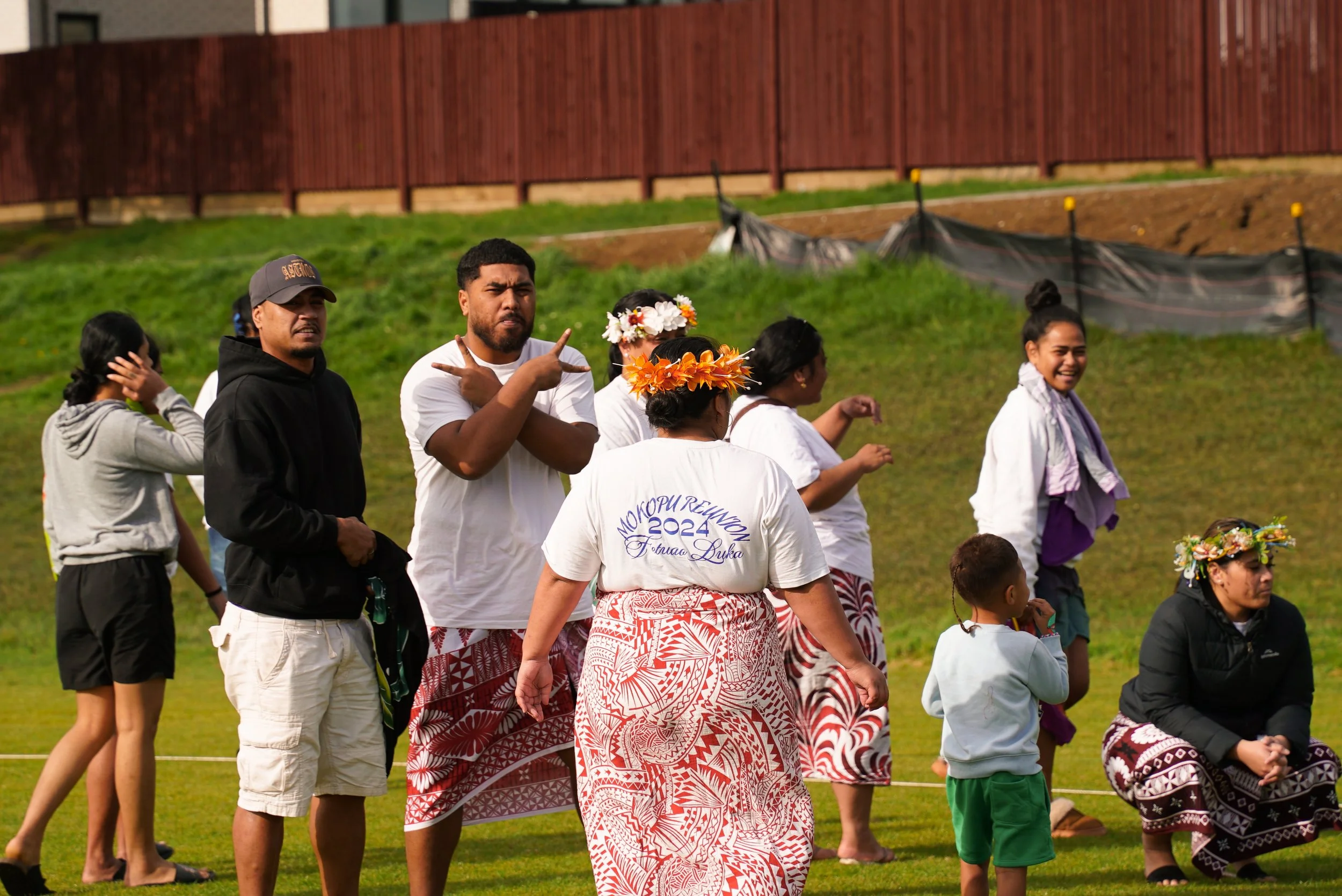
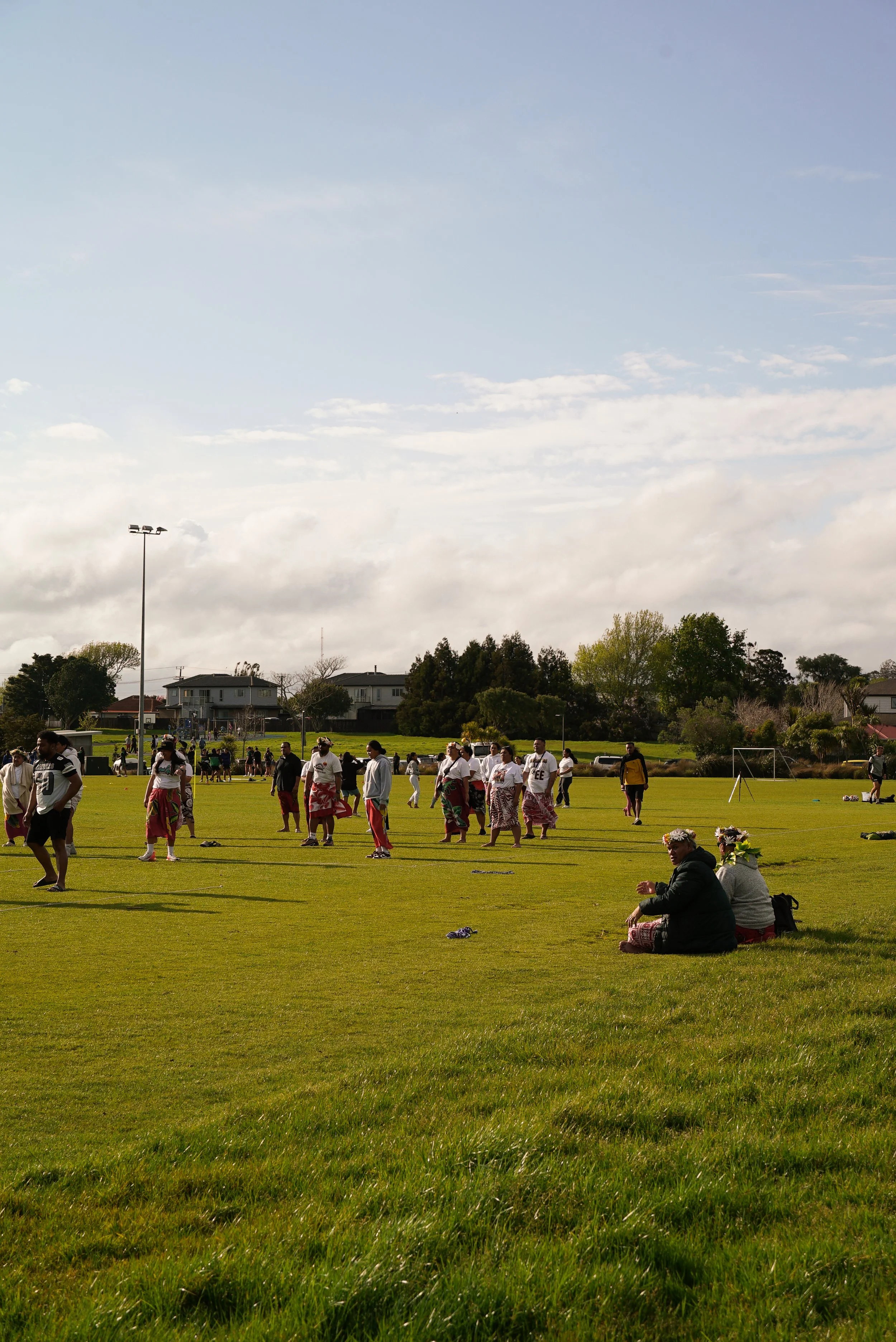
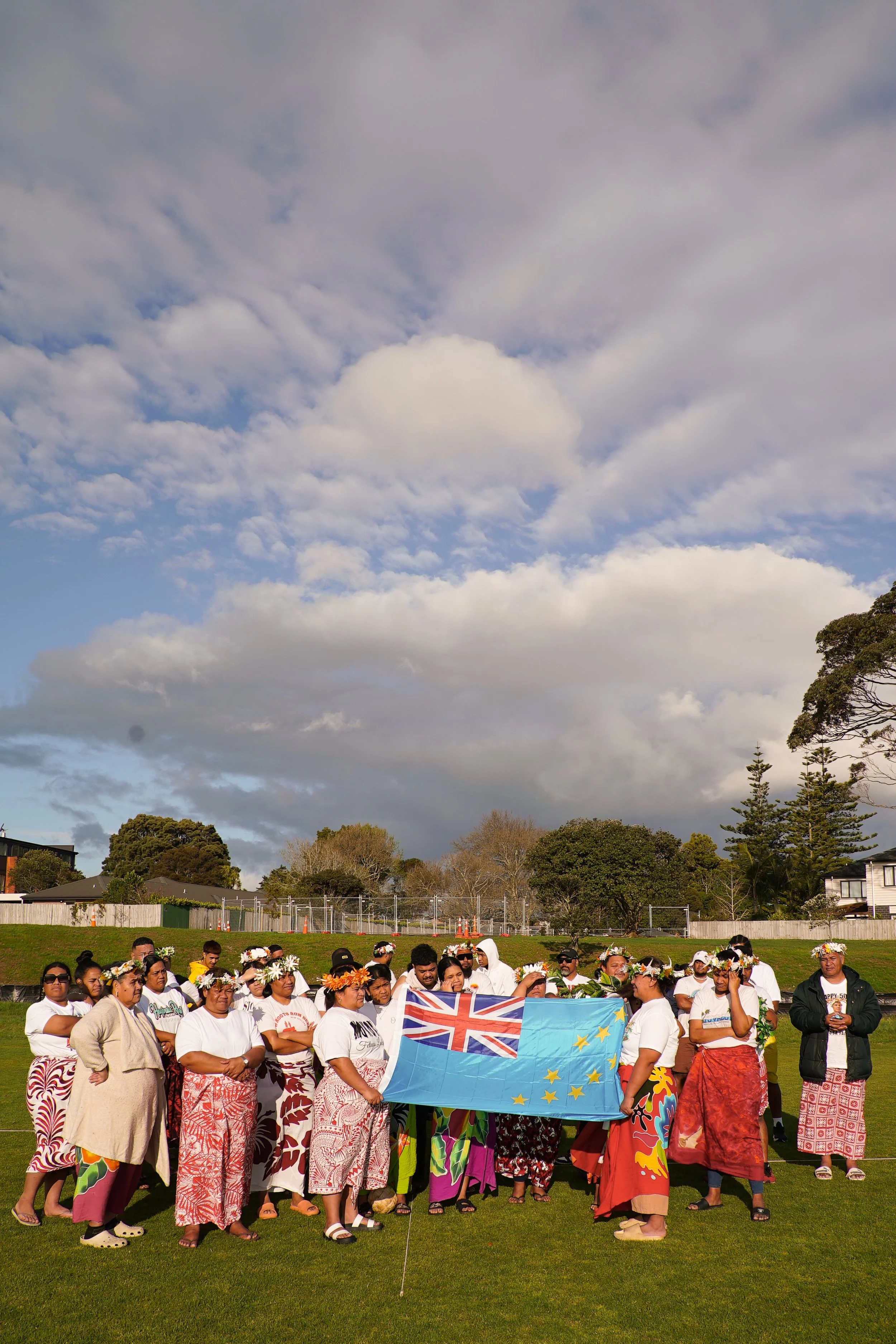
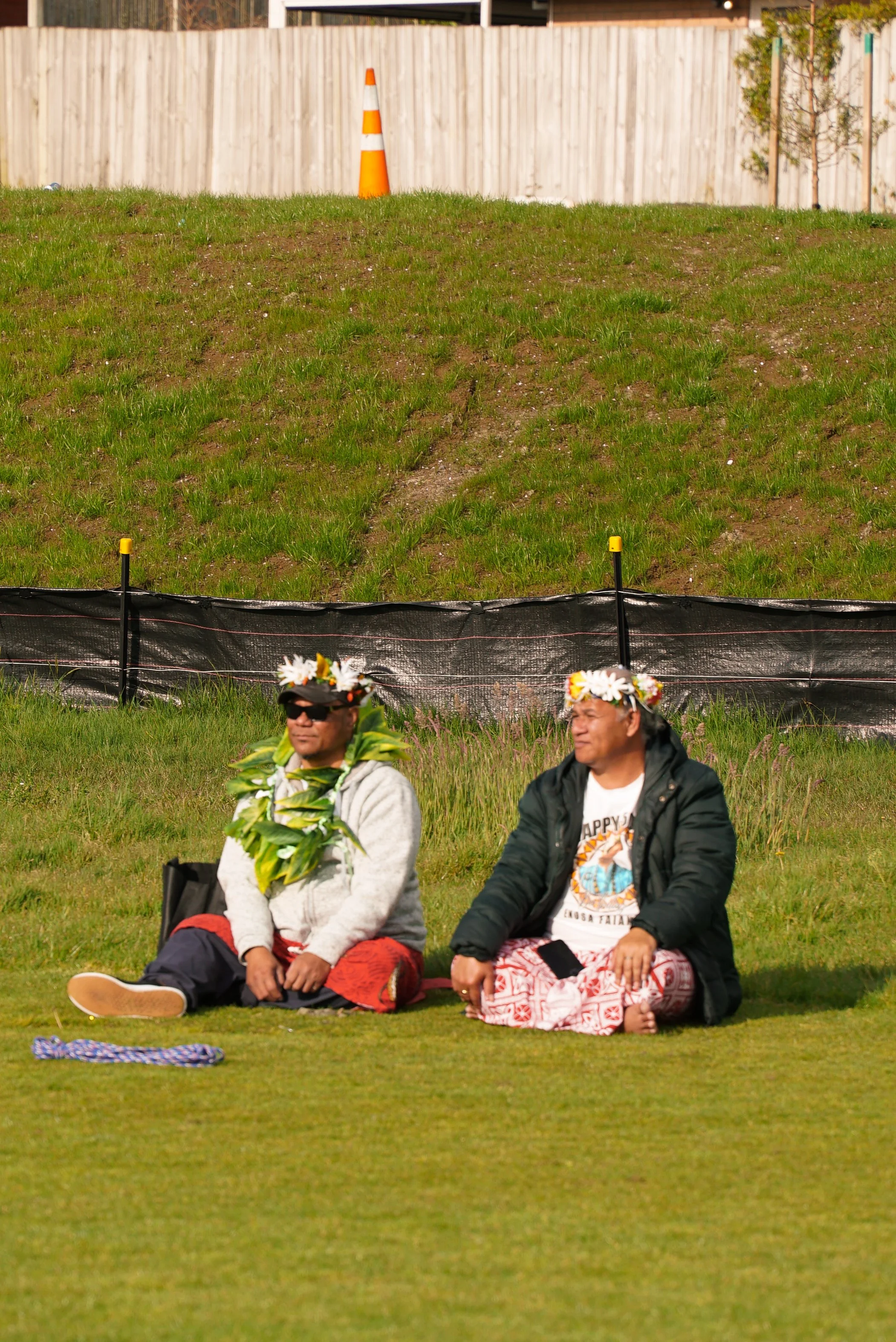
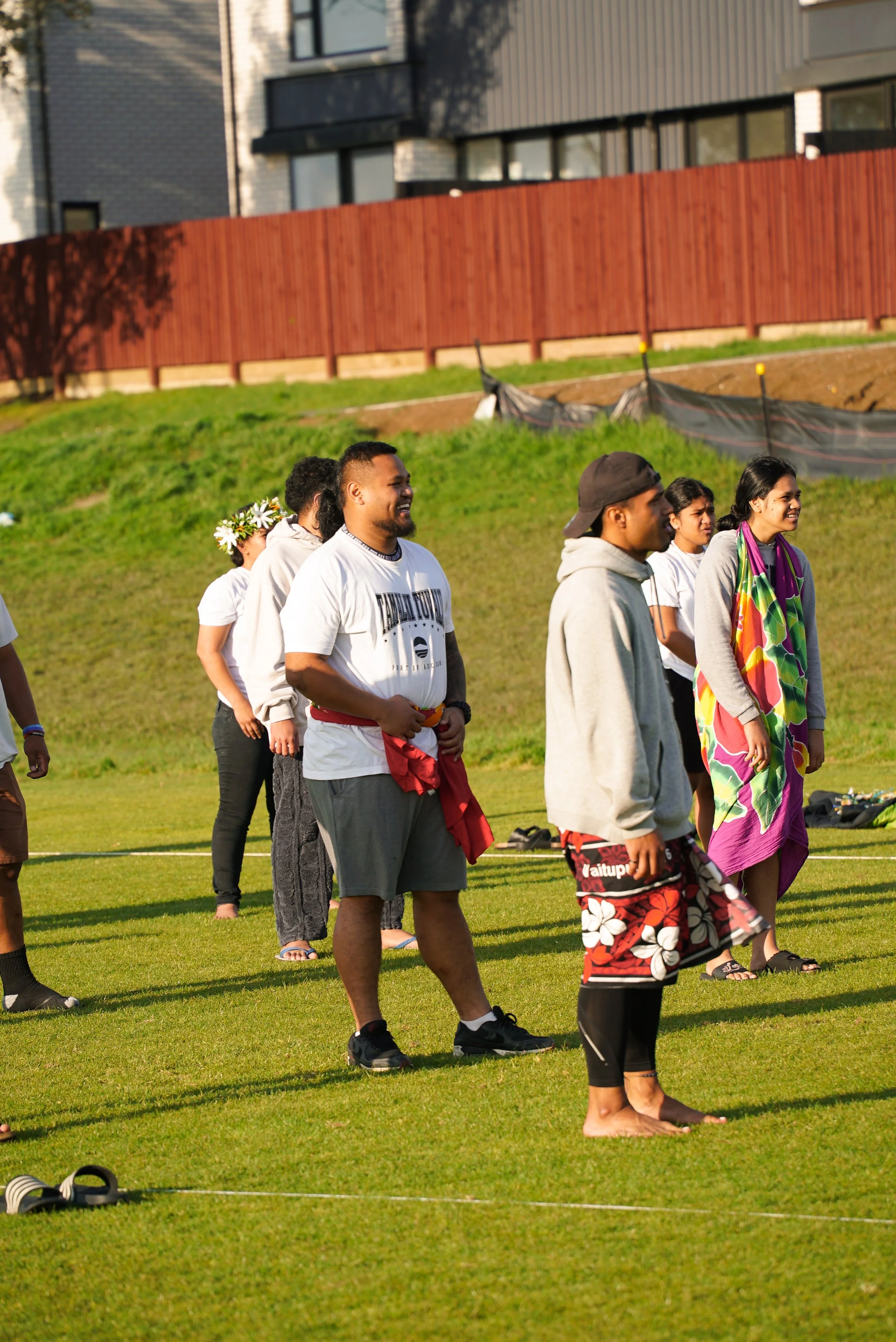
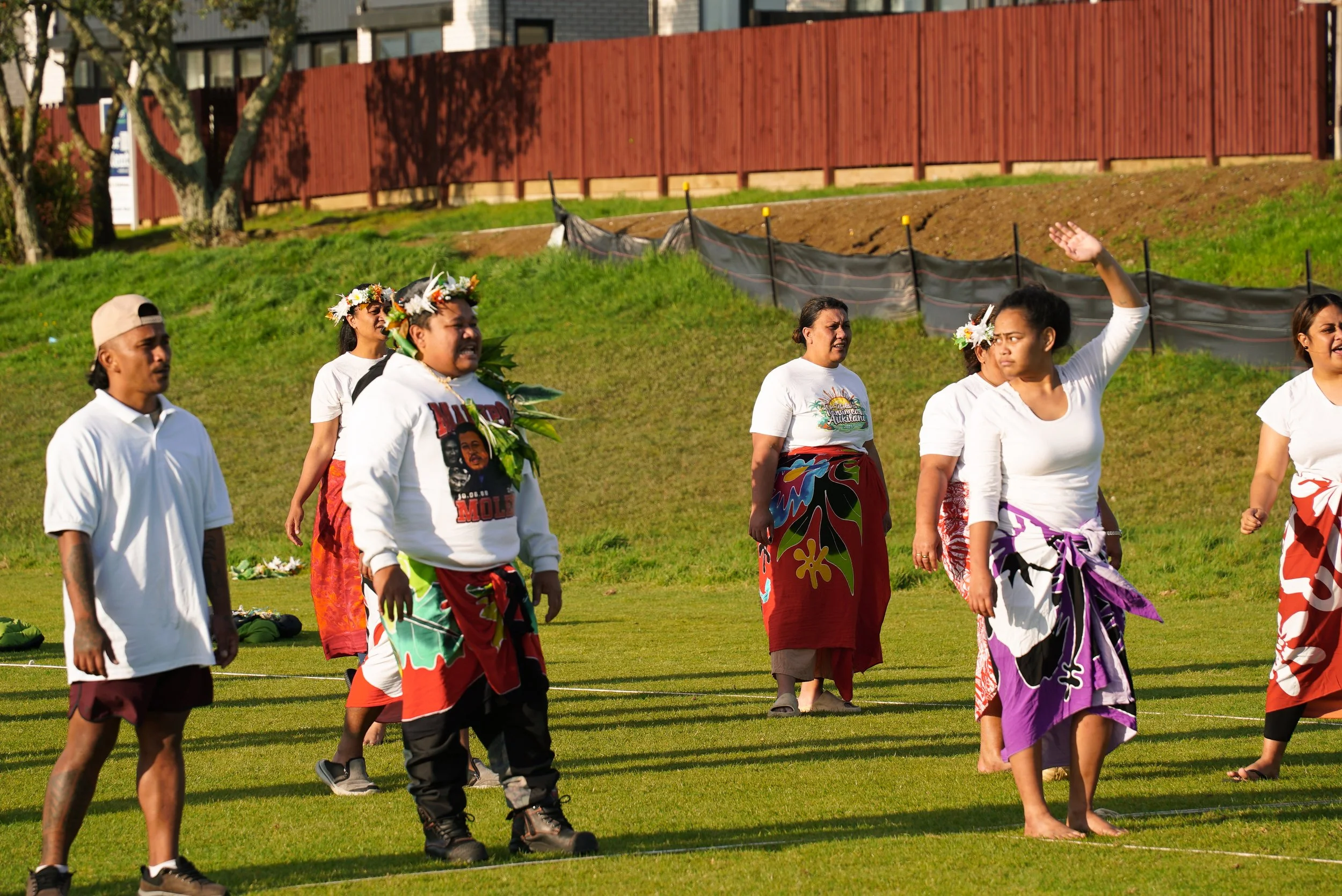
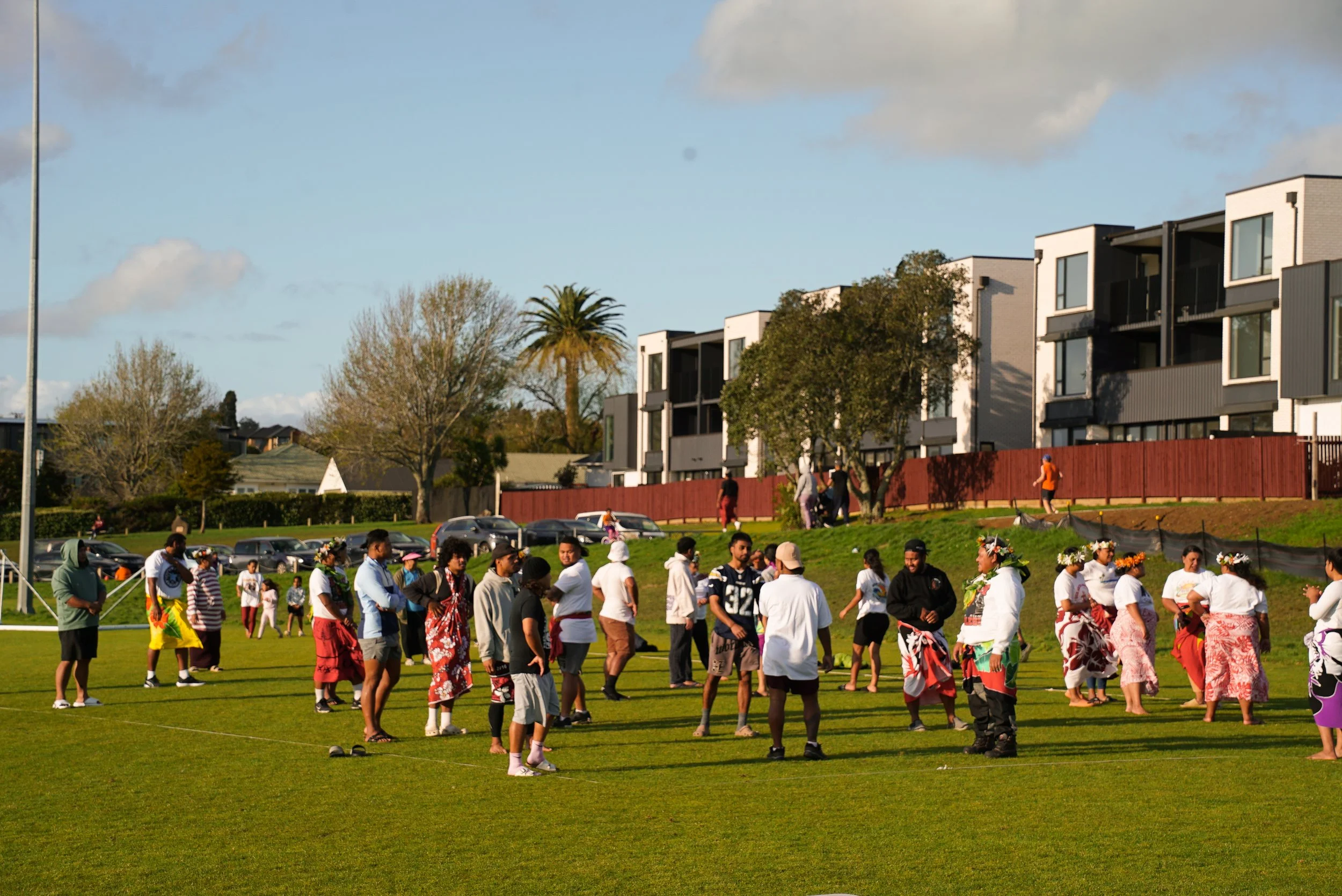
Historically, activities like Te Ano have been dismissed as cultural performance rather than “real physical activity.” But for Tuvaluans, movement has always been holistic: strengthening the body, honouring ancestors, building belonging, teaching cultural values, and uplifting the collective. This Sports Day made that truth undeniable; movement can be traditional, cultural, relational, and still physically challenging.
TASI hopes this becomes an annual tradition to commemorate independence, strengthen identity, and keep Tuvaluan movement alive in West Auckland.
“Faipati mo te mautinoa kae amanaia tou fakavae — Speak confidently and respect your foundation.” On this day, the movement itself did the speaking.
Tu Hake ke Poi is a movement initiative delivered through the Le Moana West Collective to honour Pasifika movement as holistic active wellbeing. The fund supports community groups to reclaim and celebrate traditional games, dance, and cultural movement — challenging narrow definitions of “sport” and recognising Indigenous movement as physical activity, identity-building, and community connection.
This prototype is supported through the Sport Waitākere Tū Manawa Active Local Fund, ensuring Pasifika-led initiatives are resourced, welcomed, and able to thrive. Also, a heartfelt thank you to Asita and Alesi Molotii for organising this day for the community — not just to play, but to move as Tuvaluans.
